Director’s Statement — Anna Gutto
The untold love story behind one of
the world’s greatest IPs — A Doll’s House.
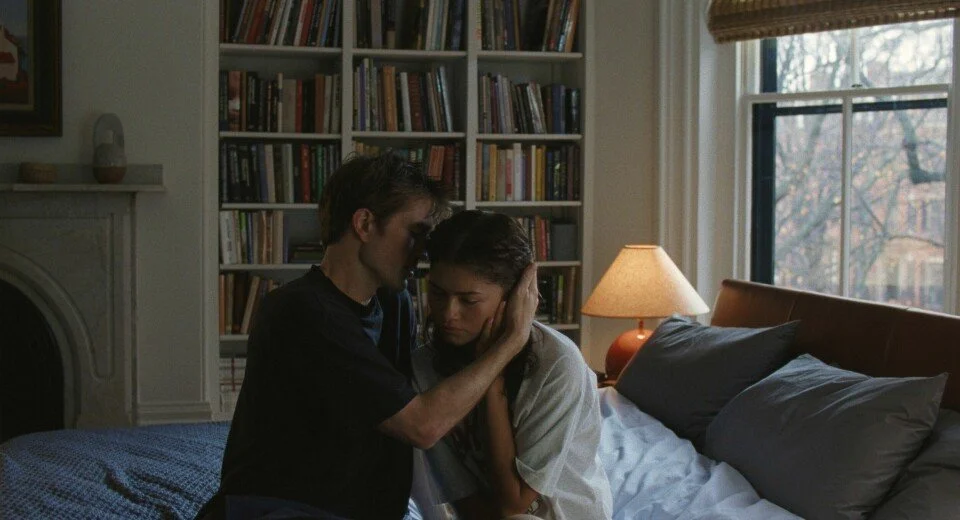
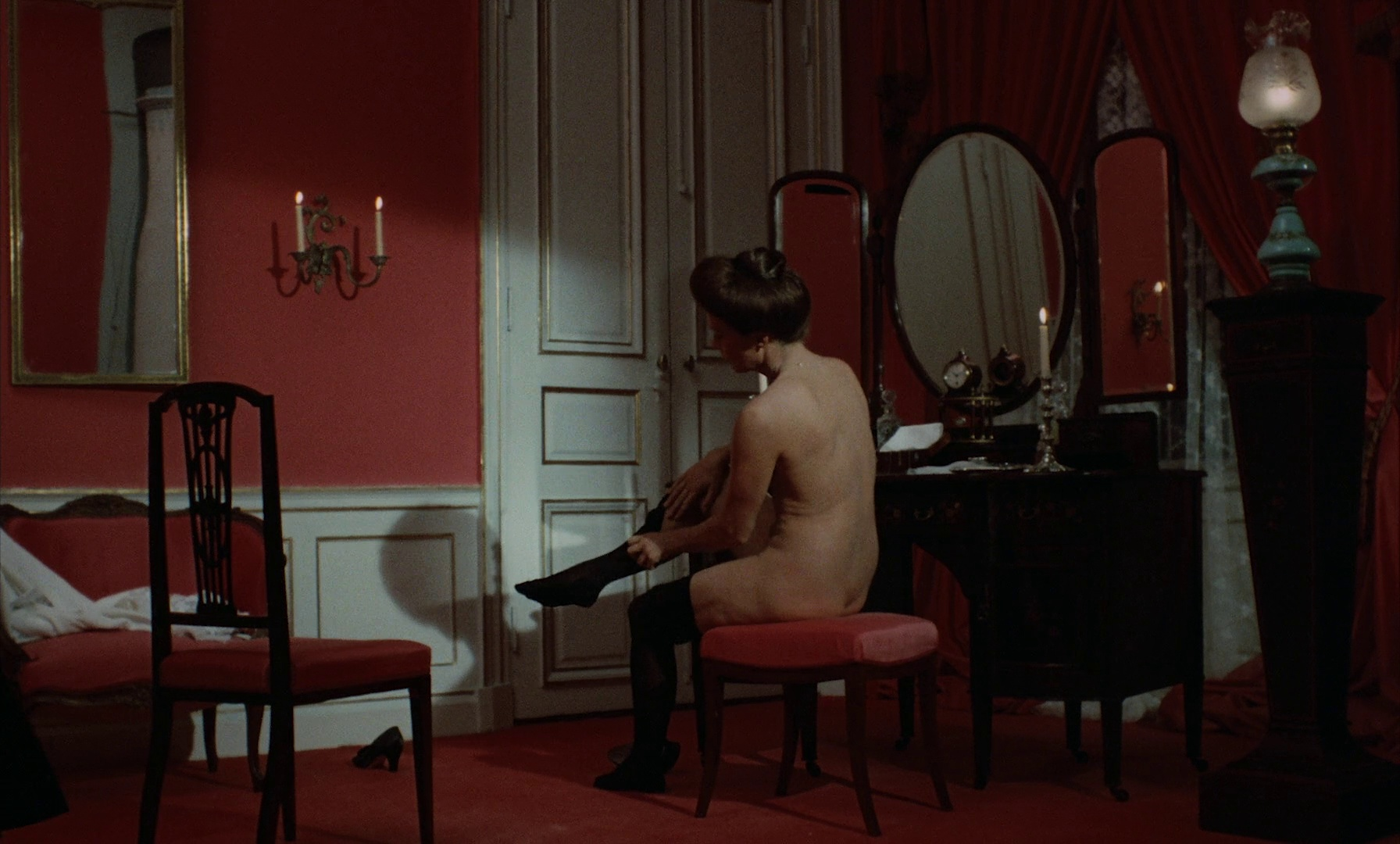
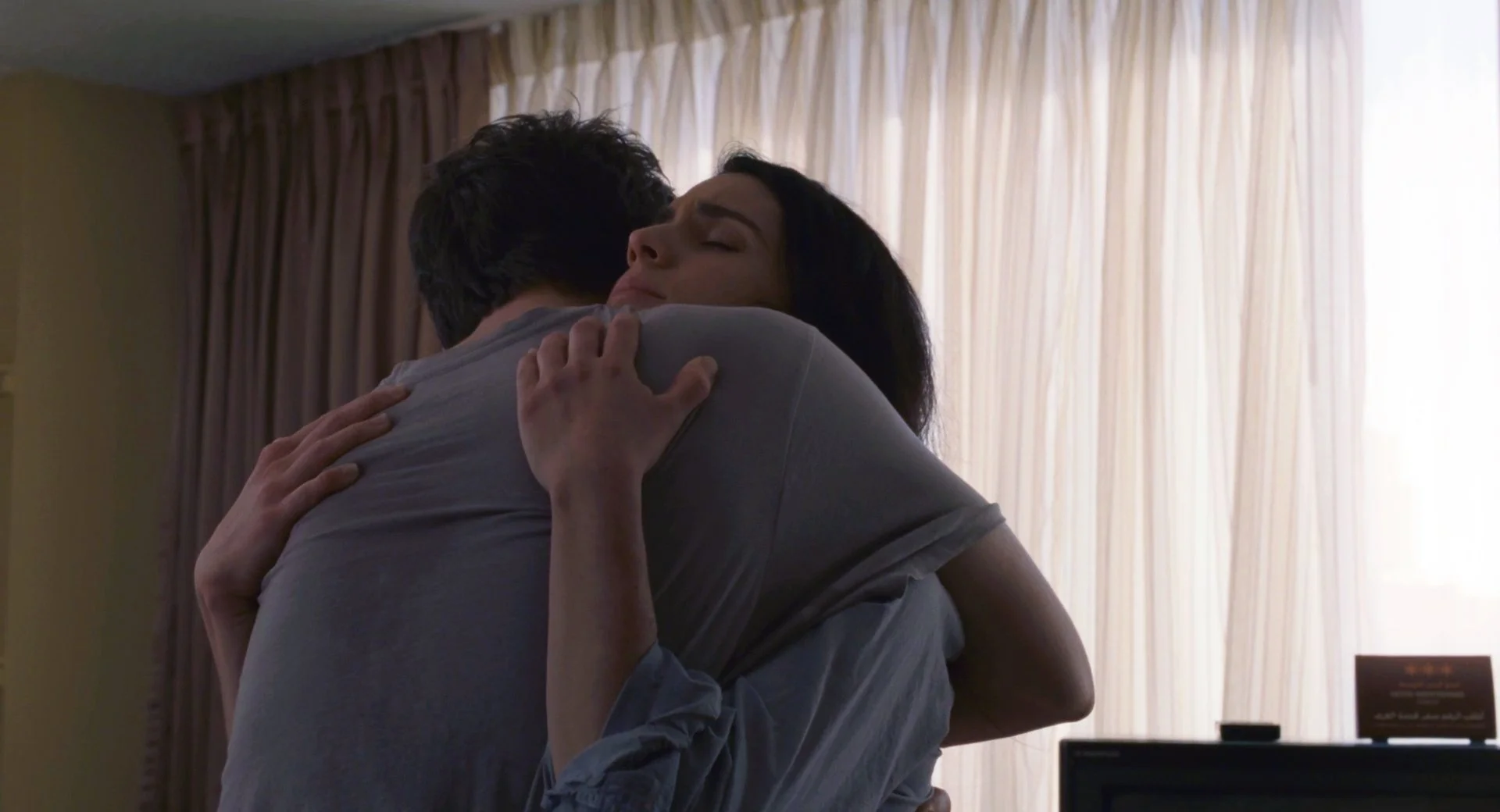
A modern film about Henrik and Susanna Ibsen,
their rebellious relationship, and their friend’s tragedy
they sought to avenge through his writing.
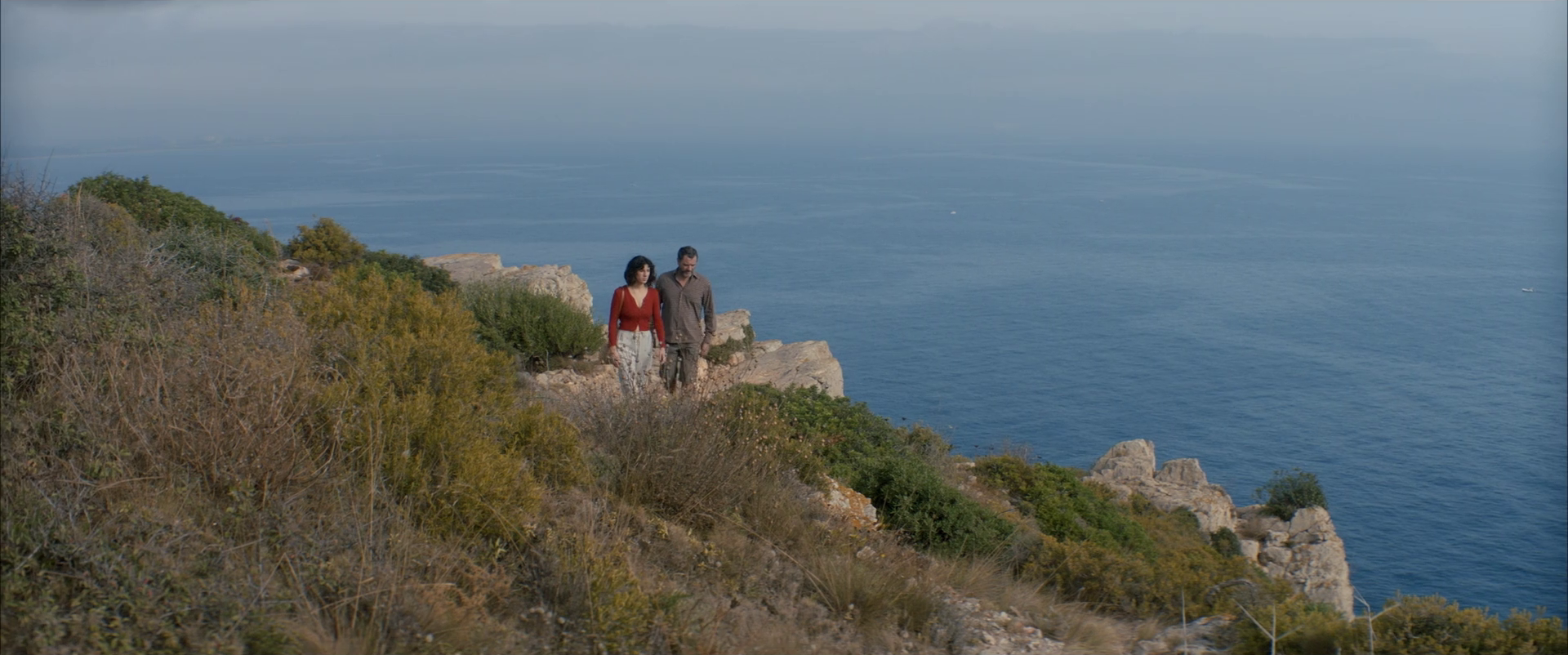

About the project
A Doll’s House is one of the world’s most performed plays — in Europe, as well as internationally — yet few people know how important Susanna was to Henrik´s work, and the crisis they went through while writing it.
“Either Nora leaves, or I leave!”
Henrik is a man who desperately wants to destroy the patriarchy and society’s oppressive norms — until he realizes he risks losing his own privileges by doing so. A character with strong convictions, and profound weaknesses. Along with his opposition, Susanna, they form the heart of the film. She is every bit as sensitive and temperamental as Henrik — and a woman who demands influence.
The play broke with the narrative structures of its time, and the film breaks with clichés: the cliché of how a historical period is portrayed on film, and the cliché of the solitary genius. The film is not about “the woman behind the man,” but about the power of collaboration in art, and an openness about what inspires us and becomes part of what we create.
No one would argue that A Doll’s House should not have been written, yet it’s riddled with dilemmas of authorship and the question of “who has the right to tell which stories.” It is precisely the extraordinary status of this masterpiece that allows me to approach these themes with restraint and humanity, without judging those involved.
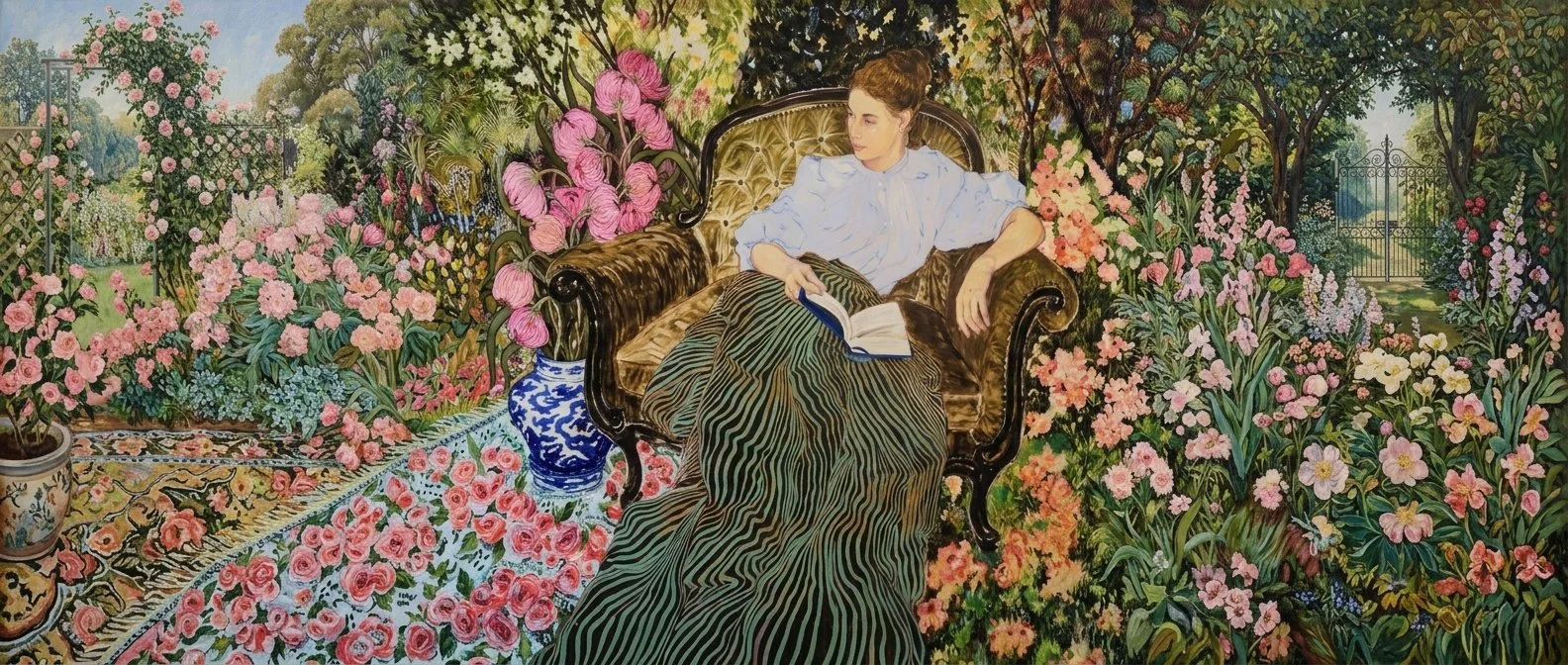
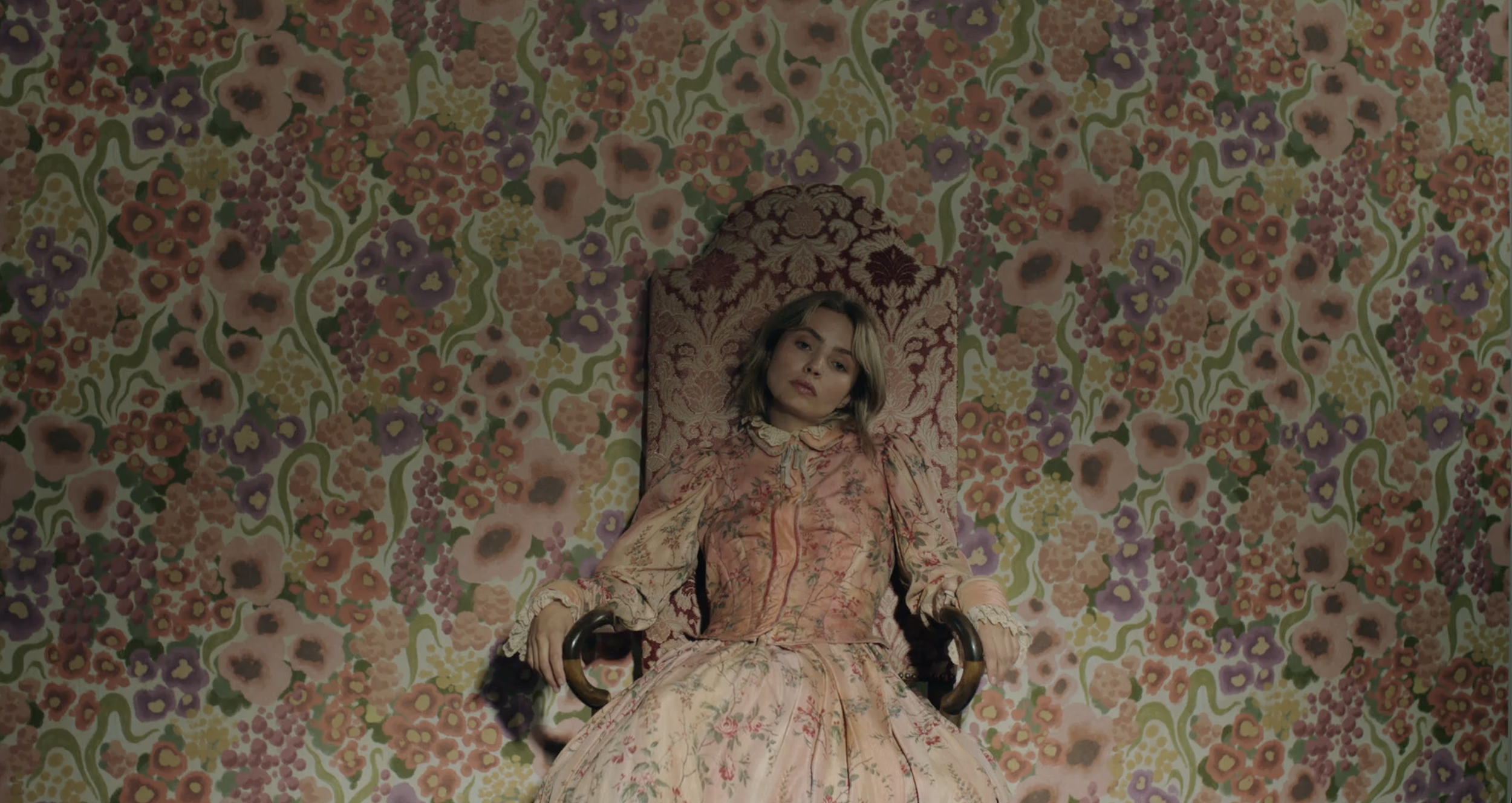
The Film’s Expression and Identity
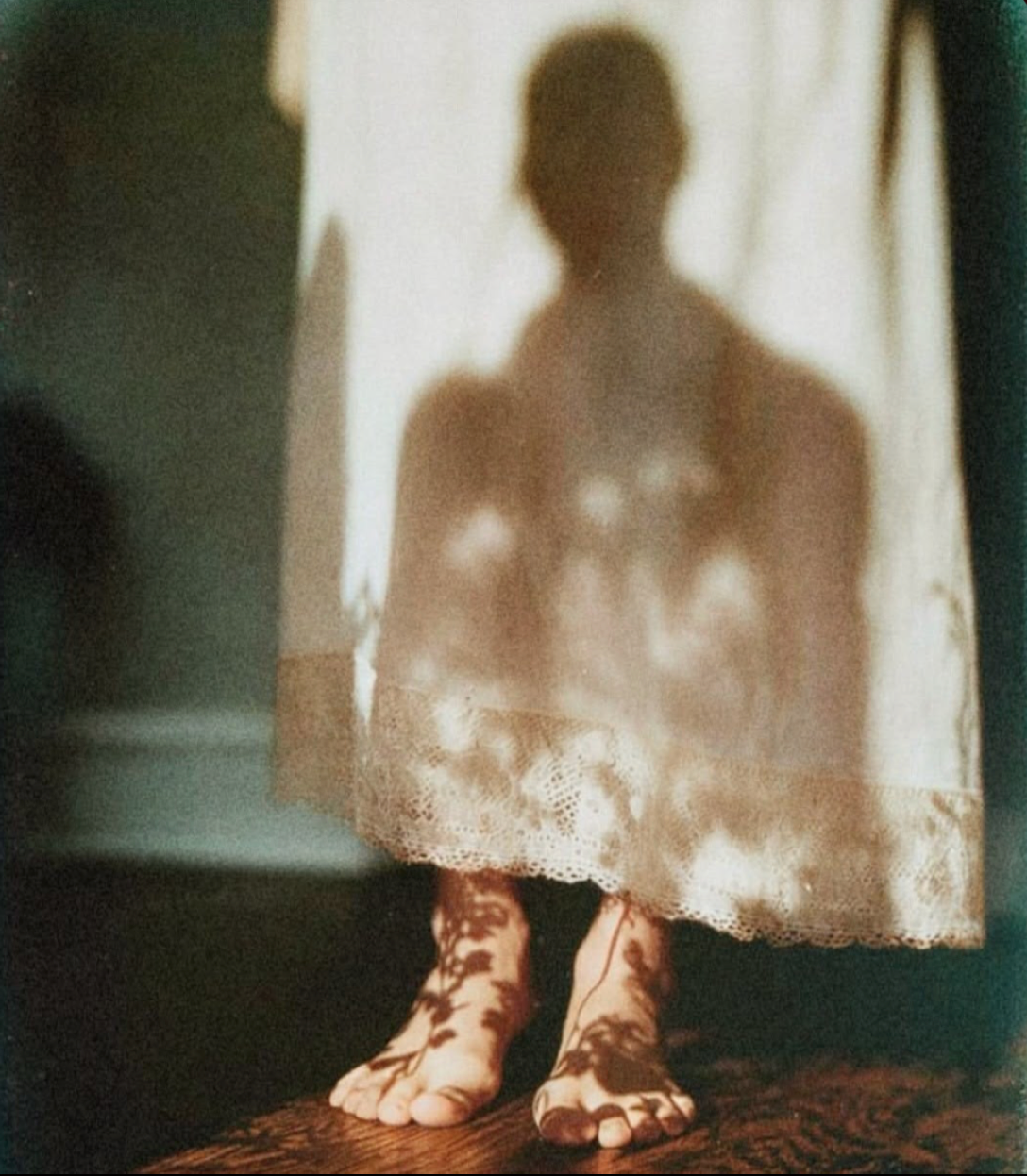
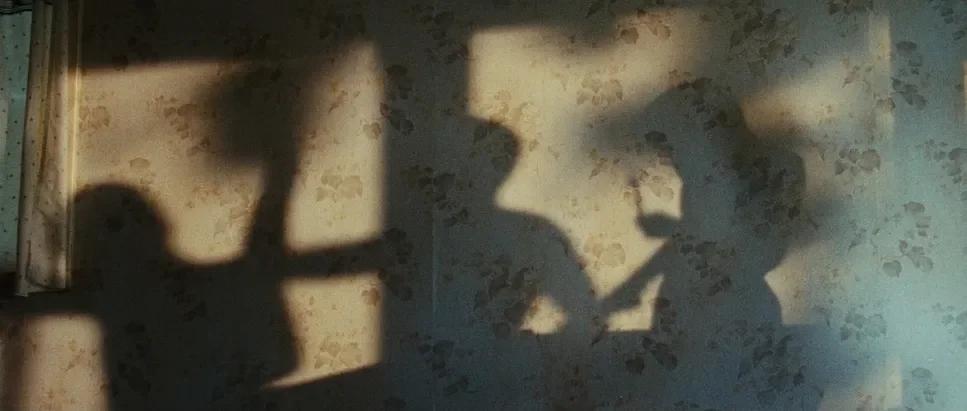
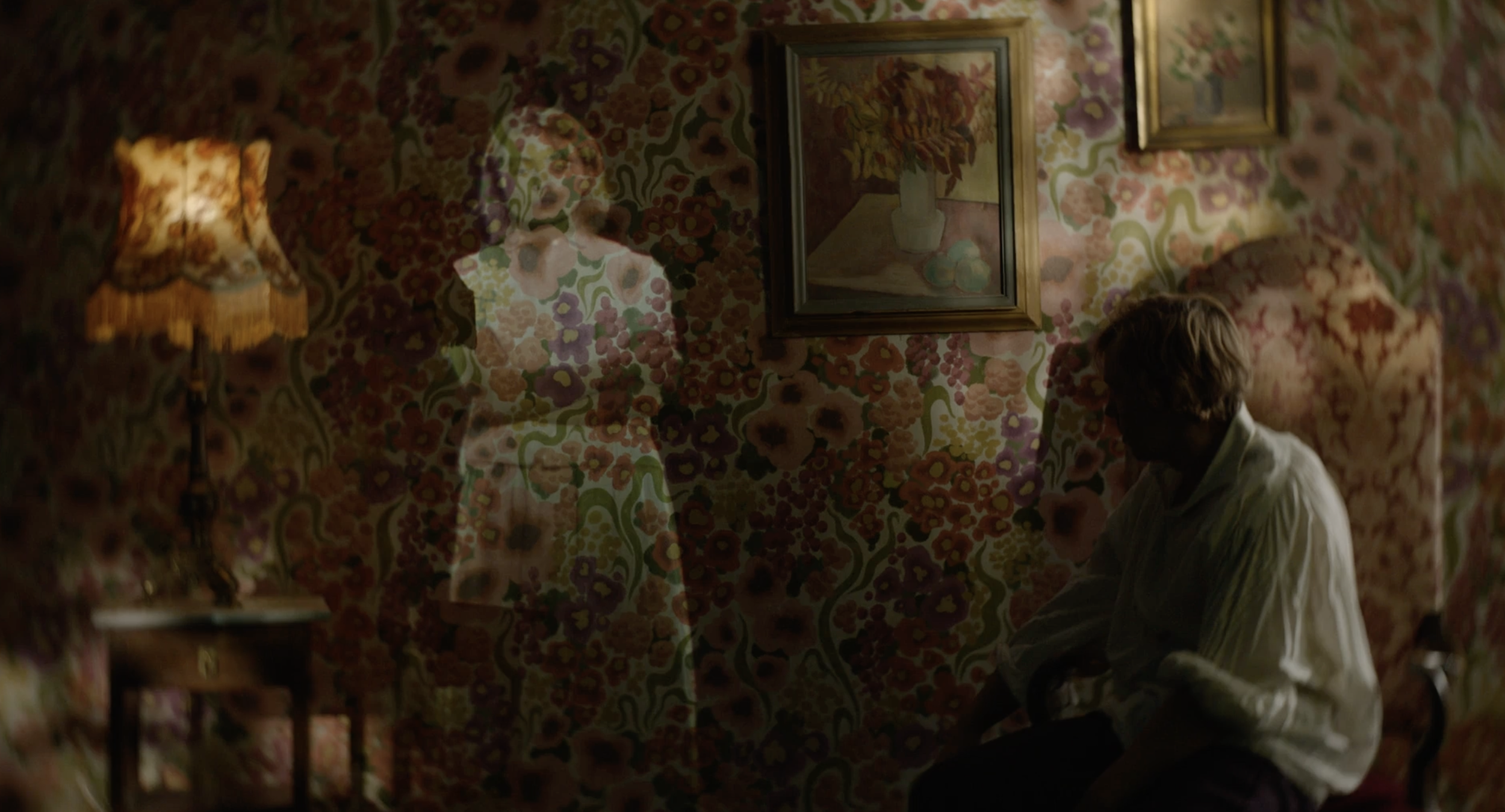
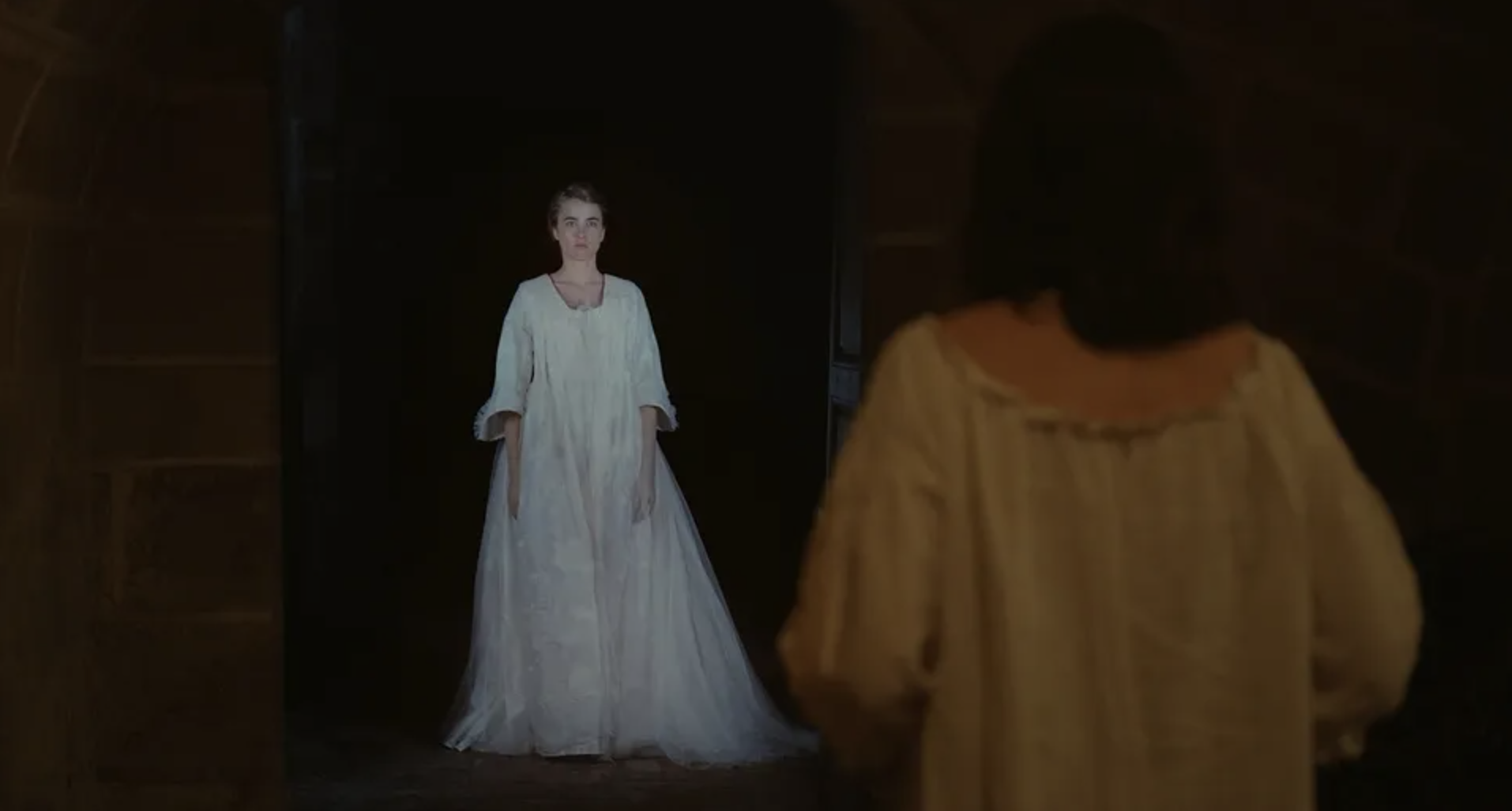
Example: As he creates the characters, they come alive in the room — first as shadows in the walls, later emerging from the wall, until finally they become living human beings in the room with Henrik and Susanna.
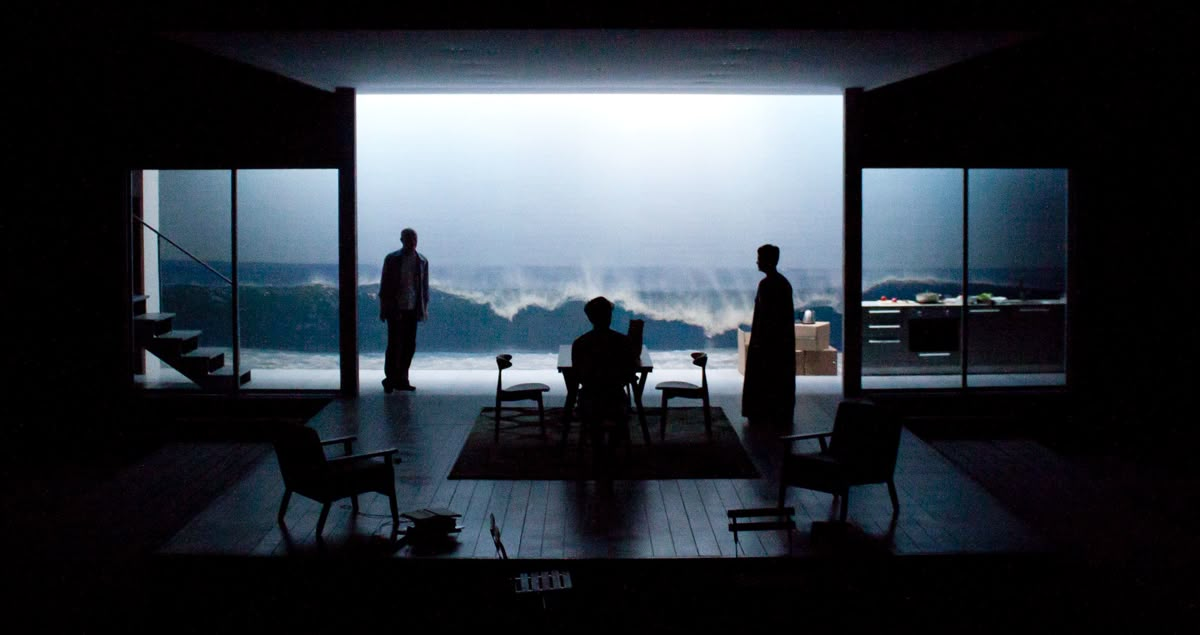
Example: The camera pans around Henrik, and where there was once a wall, we now look into Nora’s December-cold apartment in Norway. This also emphasizes the contrast between where Henrik is writing (Amalfi in July) and the world he is creating (Norway in December). As he himself said: “It is best to describe a warm summer day on a cold winter night.”
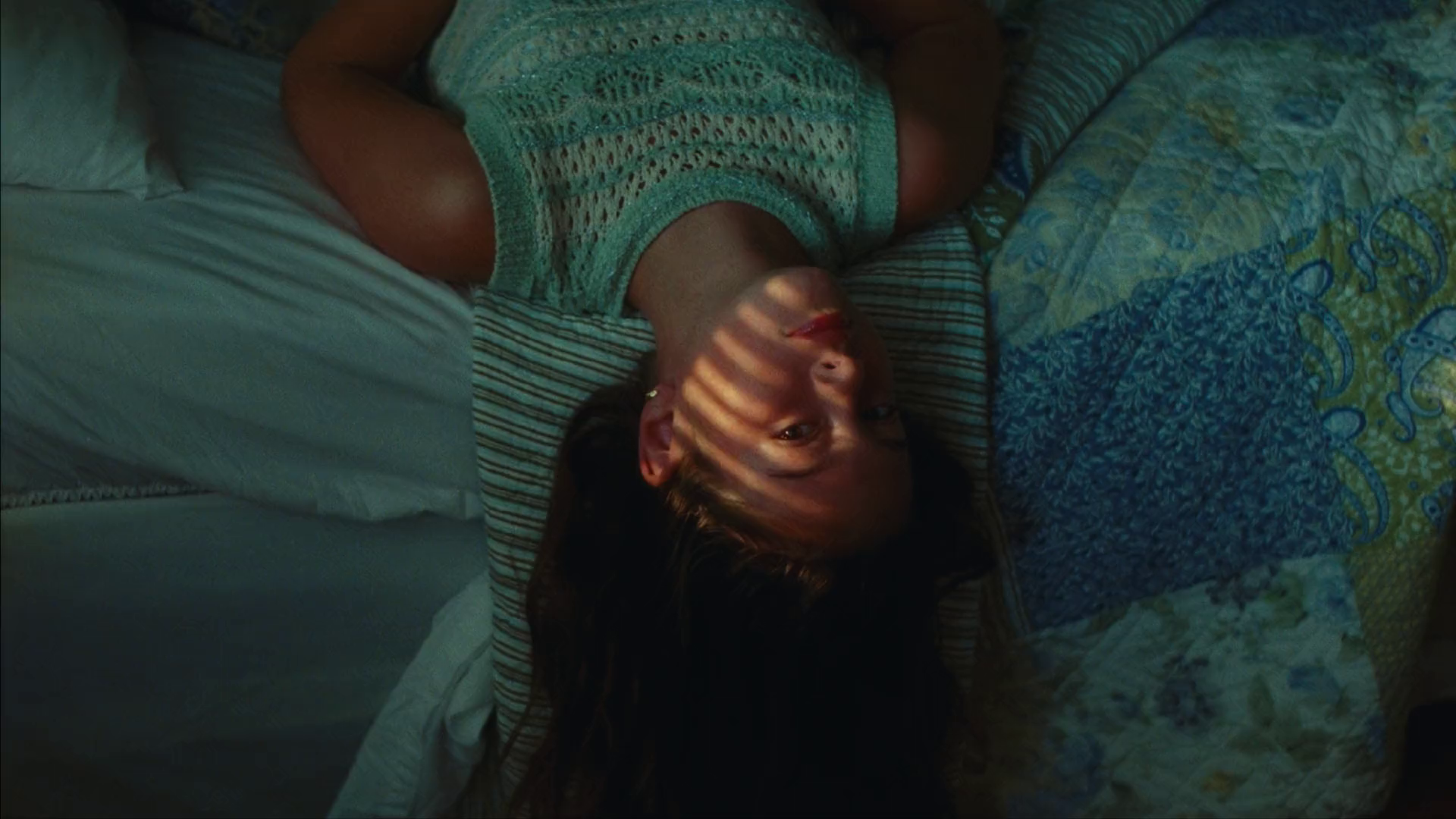
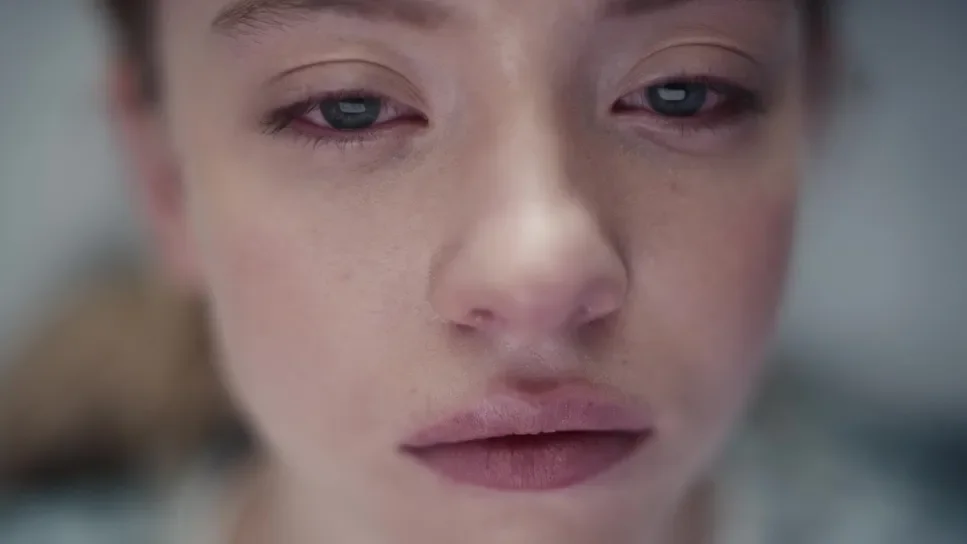
Example: Laura and Nora are played by the same actress. As the character of Nora develops, the actress’s appearance and expression transform from the oppressed Laura into the freedom-fighting Nora. By the end, we barely recognize her — just as people can truly change in life.
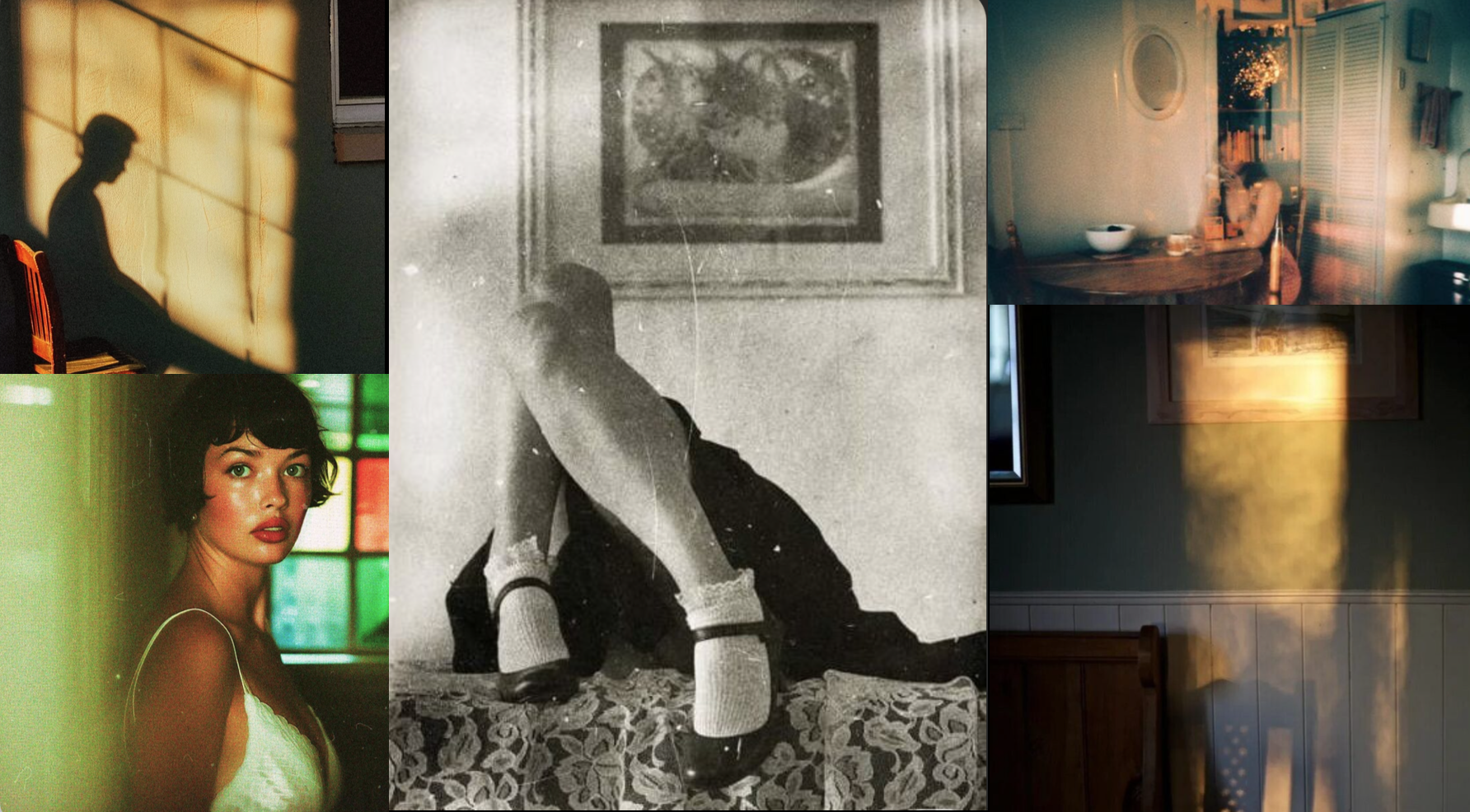
The film has a timeless identity that lives in the dynamic between the intimate love relationship (Henrik/Susanna) and the expanding visual universe of the creative process. This gives the film a modern and distinctive cinematic language.
The film visualizes Henrik’s creativity and thoughts. We move seamlessly from Henrik’s actual writing room into his creative space — a cinematic visualization of the artist’s creative process: a window might open onto Laura’s cell in the mental institution; the characters become present in the room; at a creative climax, the entire room dissolves.
The interplay between analogue and digital tools shapes the film’s distinctive visual language (see video presentation from the studio test).
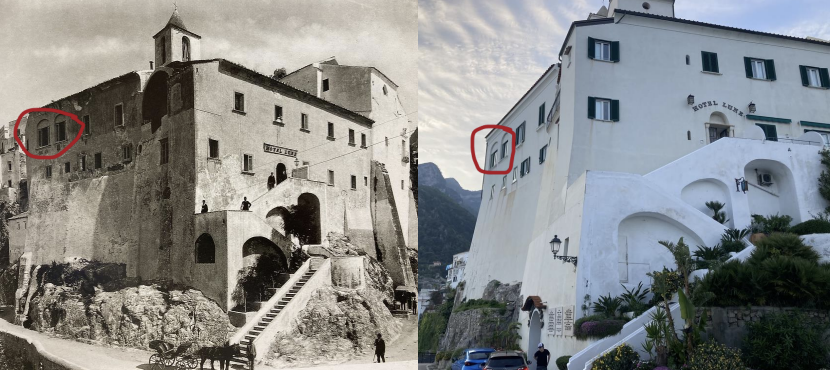
Hotel Luna 1879. Hotel Luna 2026.
Henrik Ibsens apartment at Victoria Terrasse
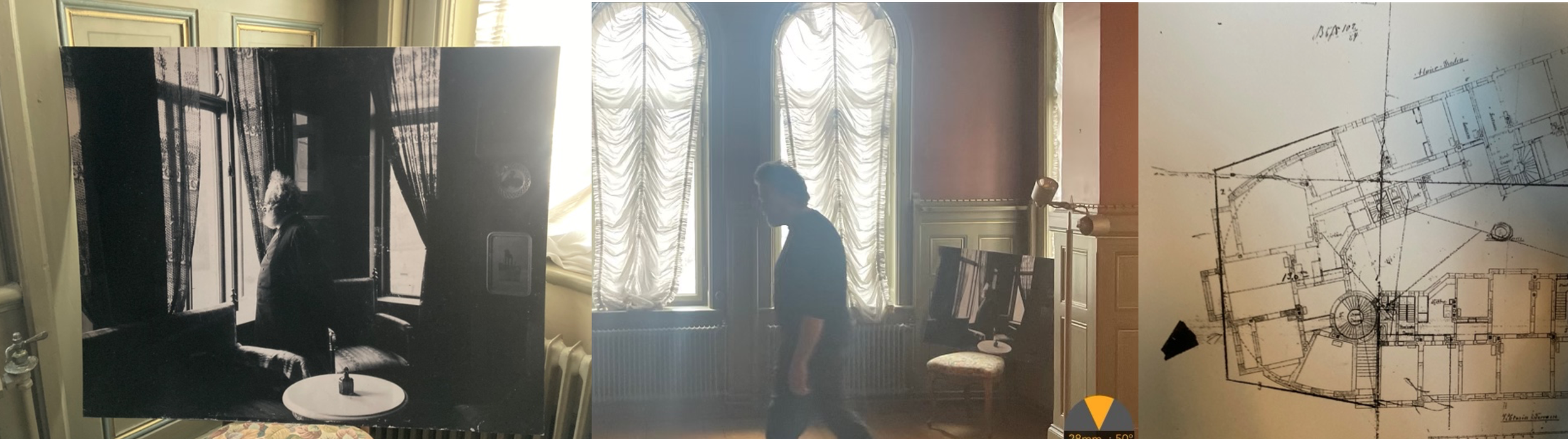
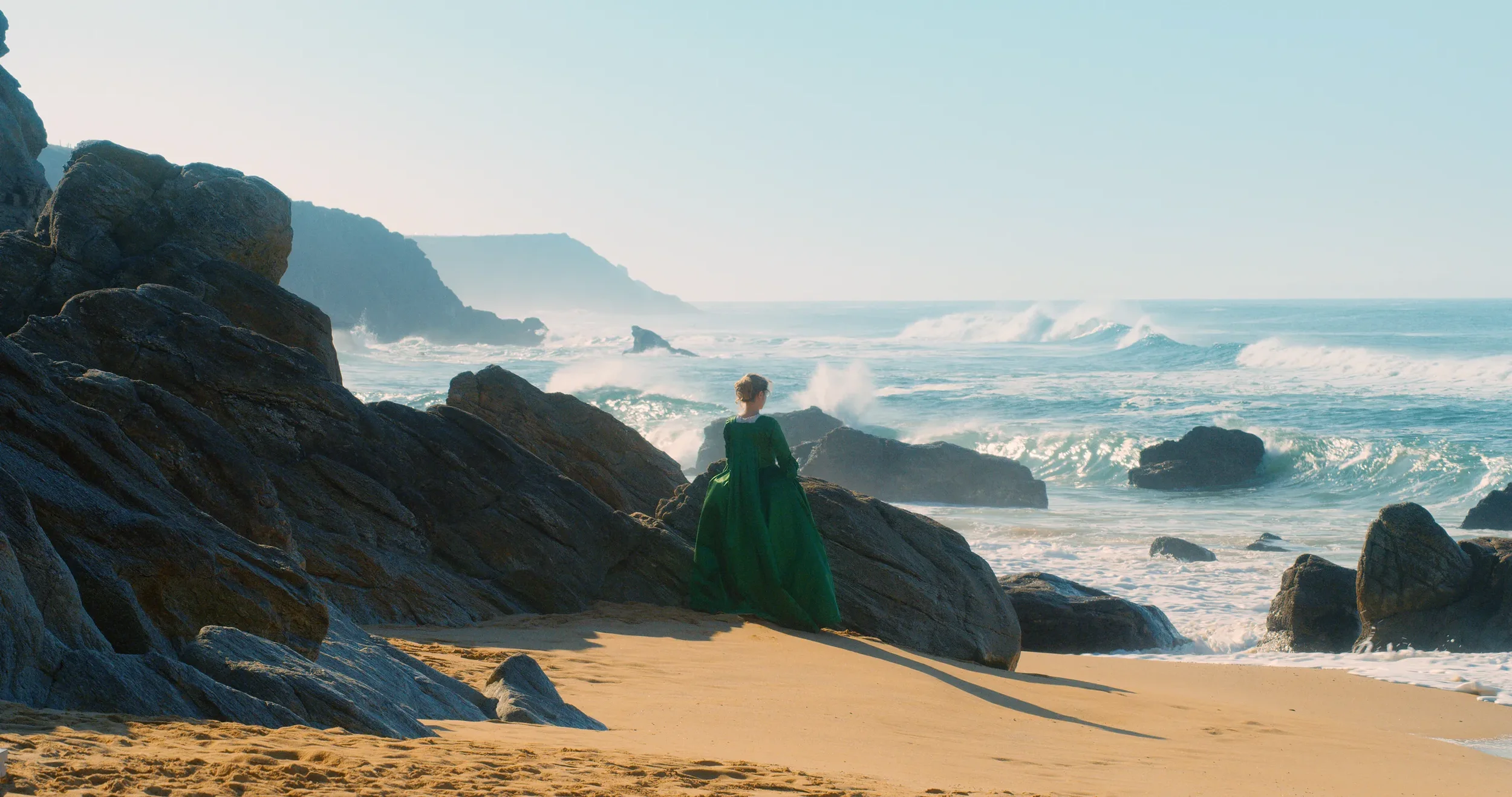
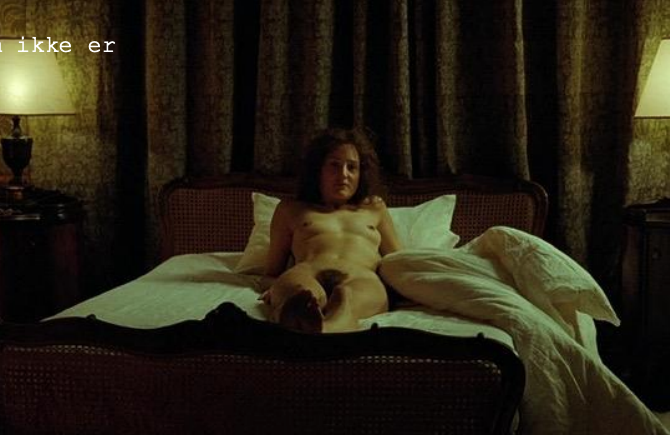
To achieve the effect of being “inside Henrik’s head” and inside his creative process, we will shoot large portions of the film in a studio, using analogue techniques as well as a limited use of virtual production. In addition, we will shoot on location in Oslo and with a mini unit in Amalfi, Italy. In Oslo, we will film in Ibsen’s apartment at Victoria Terrasse. In Amalfi, we will shoot at the hotel where Ibsen stayed while writing A Doll’s House (the same family still owns the hotel), as well as outdoors in the village. I was there in April, and Amalfi is almost unchanged since 1879 (see archival images), and we will use AI/VFX for historical reset.
The form illuminates the timelessness of the film and opens up a fresh, dynamic, and innovative cinematic language that remains close to Ibsen’s own creative process.
This way, the cinematic concept for the film becomes its own dollhouse.
Timelessly modern
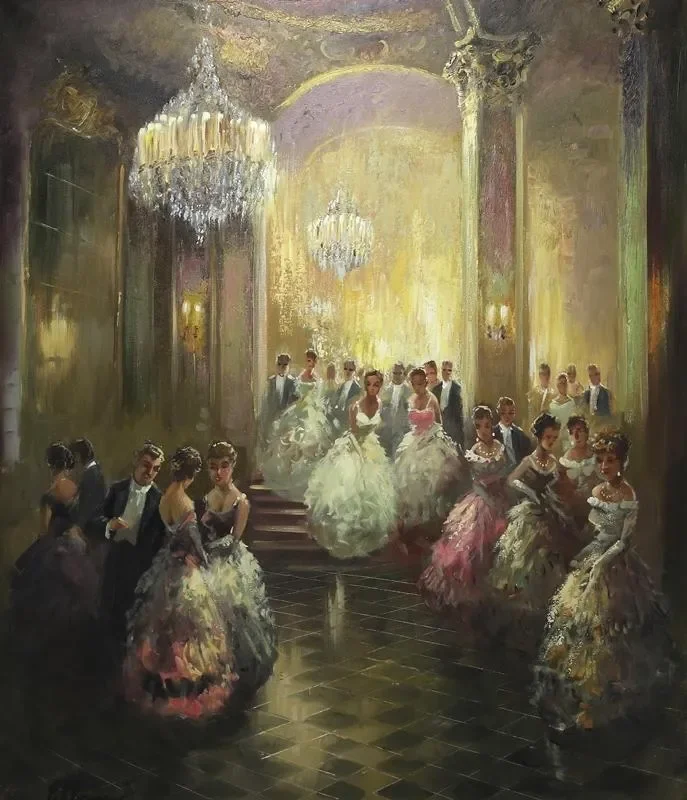
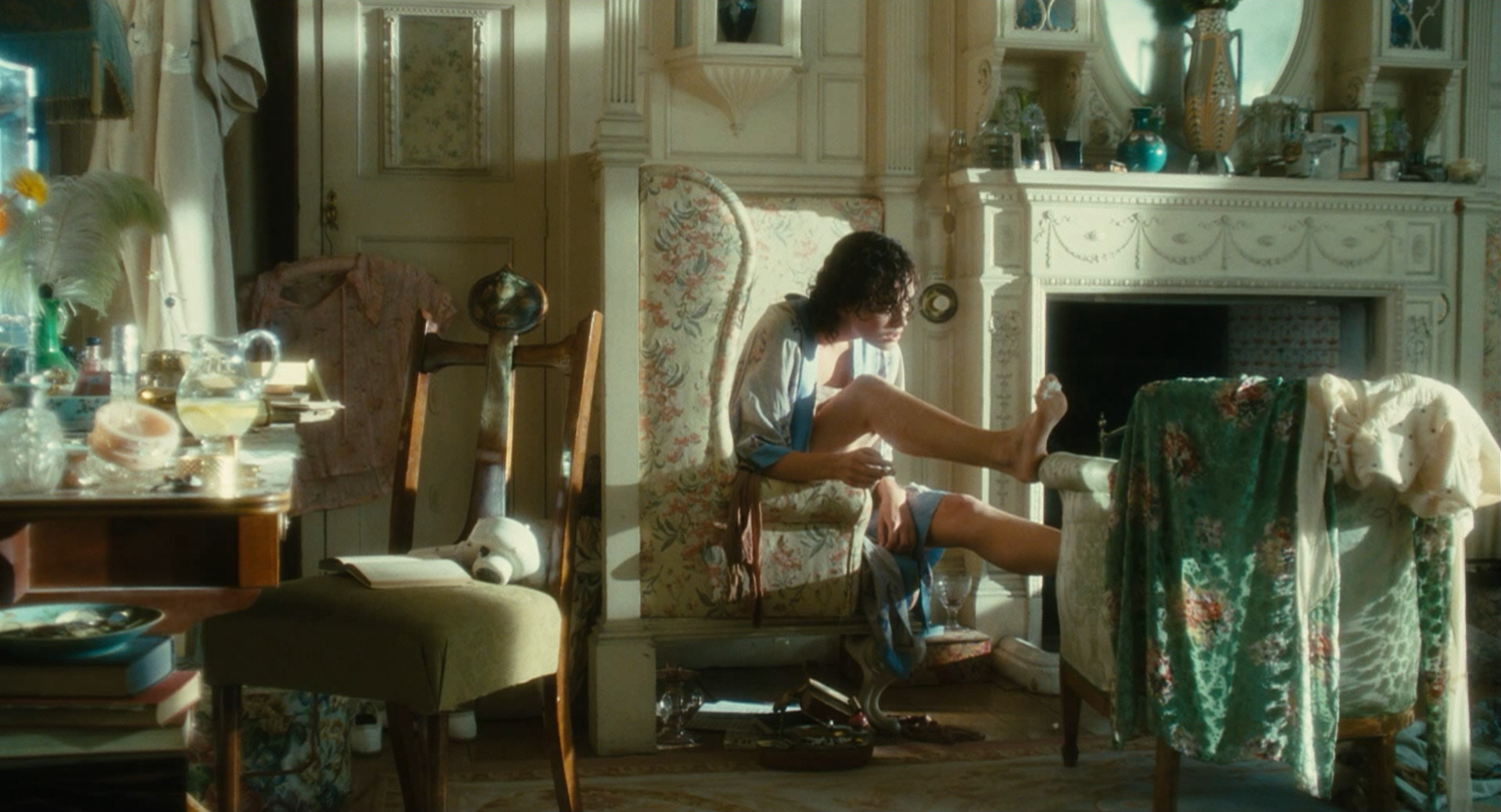
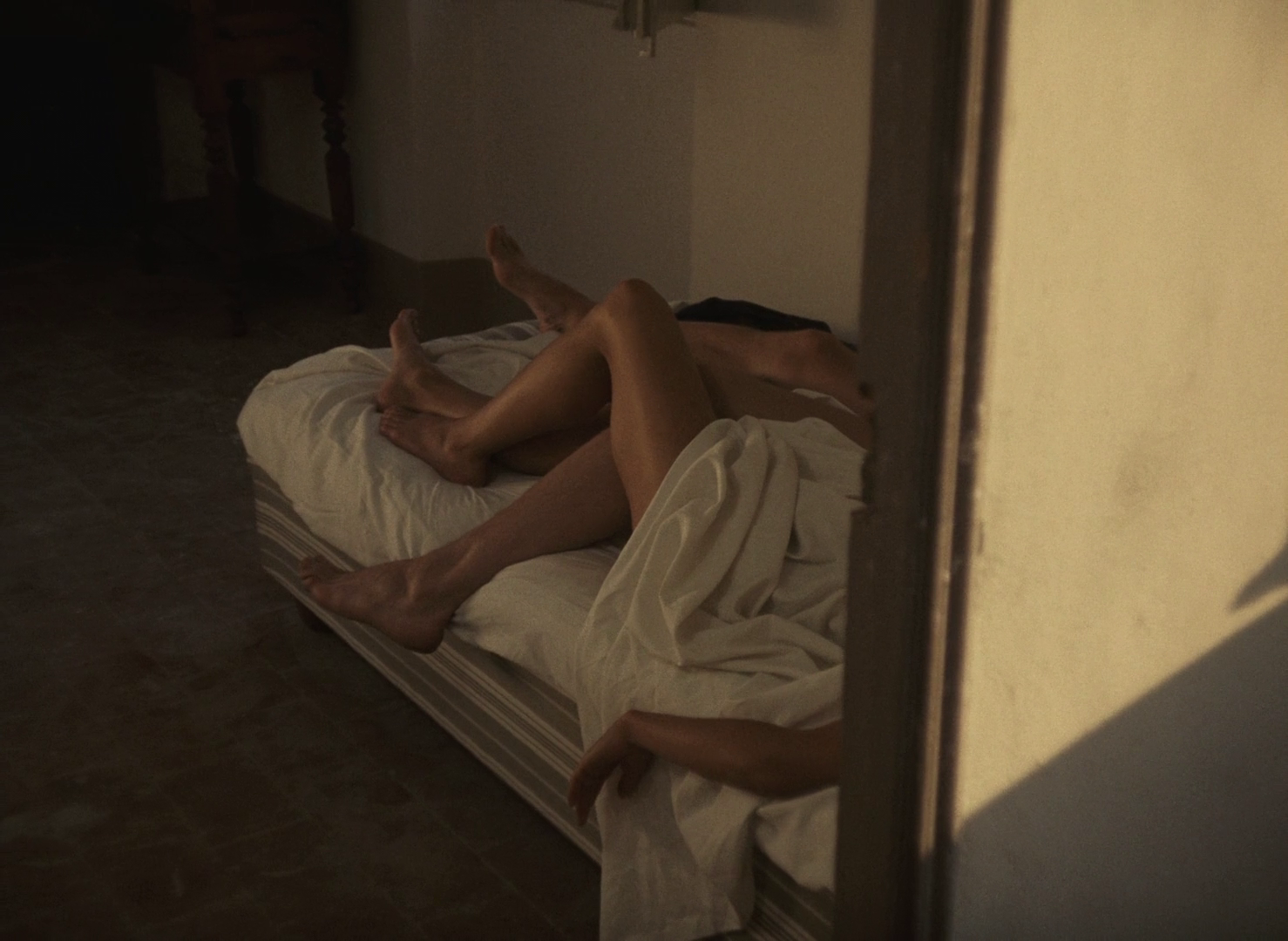
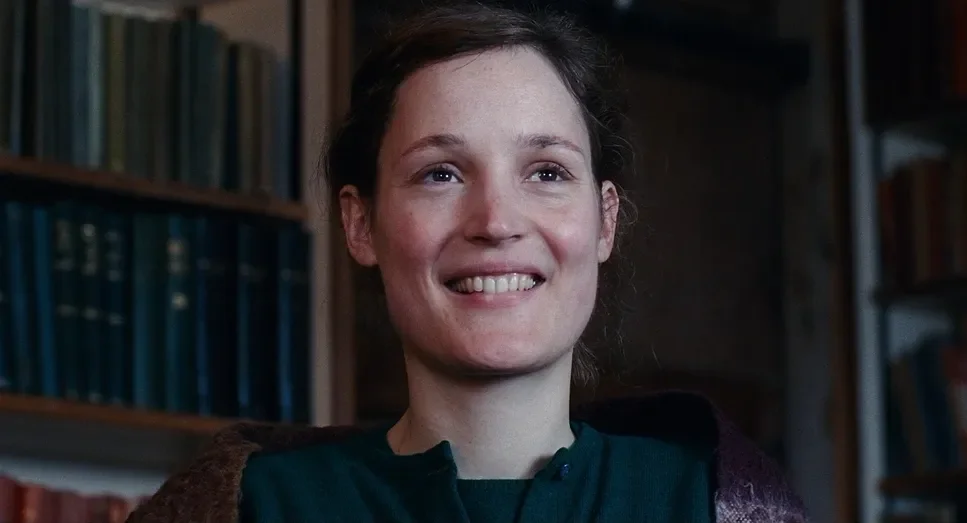
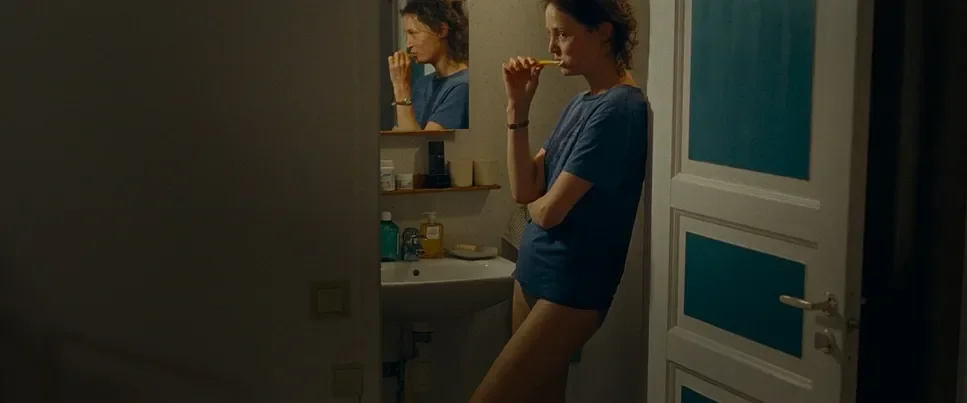
This film will challenge conventional period aesthetics and find a reality within the modern and dynamic world Henrik and Susanna inhabited – because that is how it felt to the people living at the time — a world in upheaval and transformation.
What this means is that we will avoid anything that self-consciously announces itself as “historical,” and instead find what makes the expression timeless and modern. Our motto is as follows:
“In 1879, we will have nothing that could not have existed in 1879,
but neither will we have anything that could not exist today.”
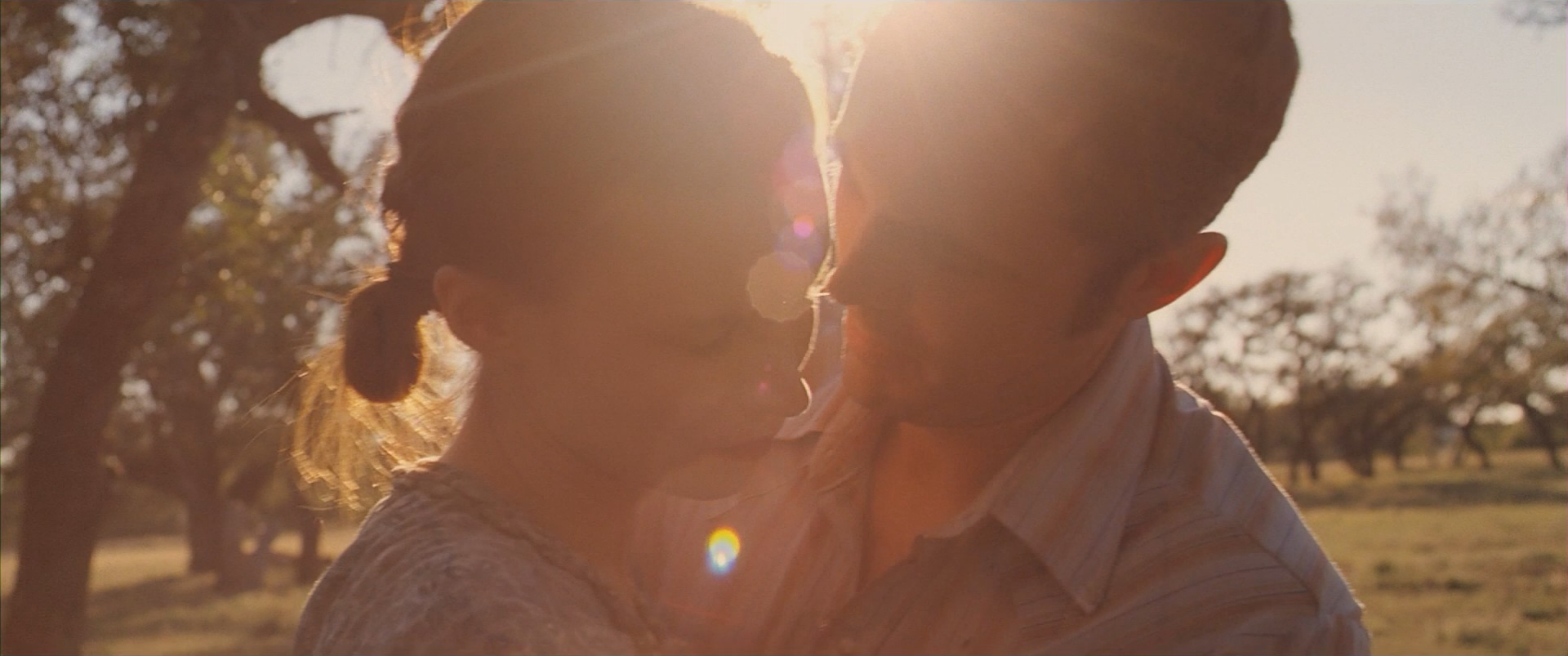
This applies to production design and costumes, as well as dialogue. The language feels universal and immediate in the way we speak today, but without contemporary slang or buzzwords. The apartment is historically accurate, yet it also feels close to what an apartment in a hip neighborhood might look like today. Susanna’s dress is period-appropriate, but she would not have worn a corset anyway, and you could easily imagine a student walking down the street in the same dress today. Our goal is for sideburns to become the new hipster trend after this film!
The film will have an expression where the audience won’t think about whether something is historically accurate or not; instead, they will feel present inside the film, and feel that the story is about us.
The camera follows the characters’ emotional lives and cultivates an immediacy that makes the film feel alive with us today.
The Composer draws inspiration from historical instruments, but the music may use instruments that didn’t exist in 1879. We cannot know what it sounded like inside Henrik Ibsen’s head, and it may very well have sounded like a synth even though the instrument itself did not yet exist.
We have a dream team on this film. Each of them will say a few words about their work within the creative vision we are building together.
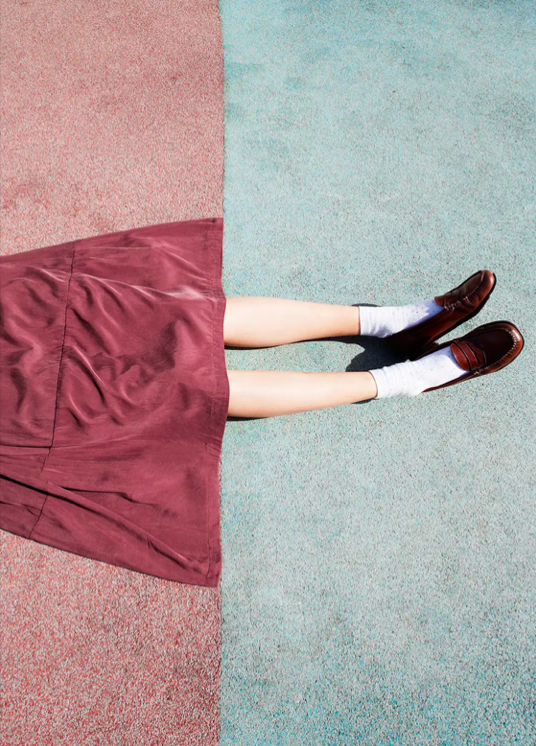
The Creative Team
-
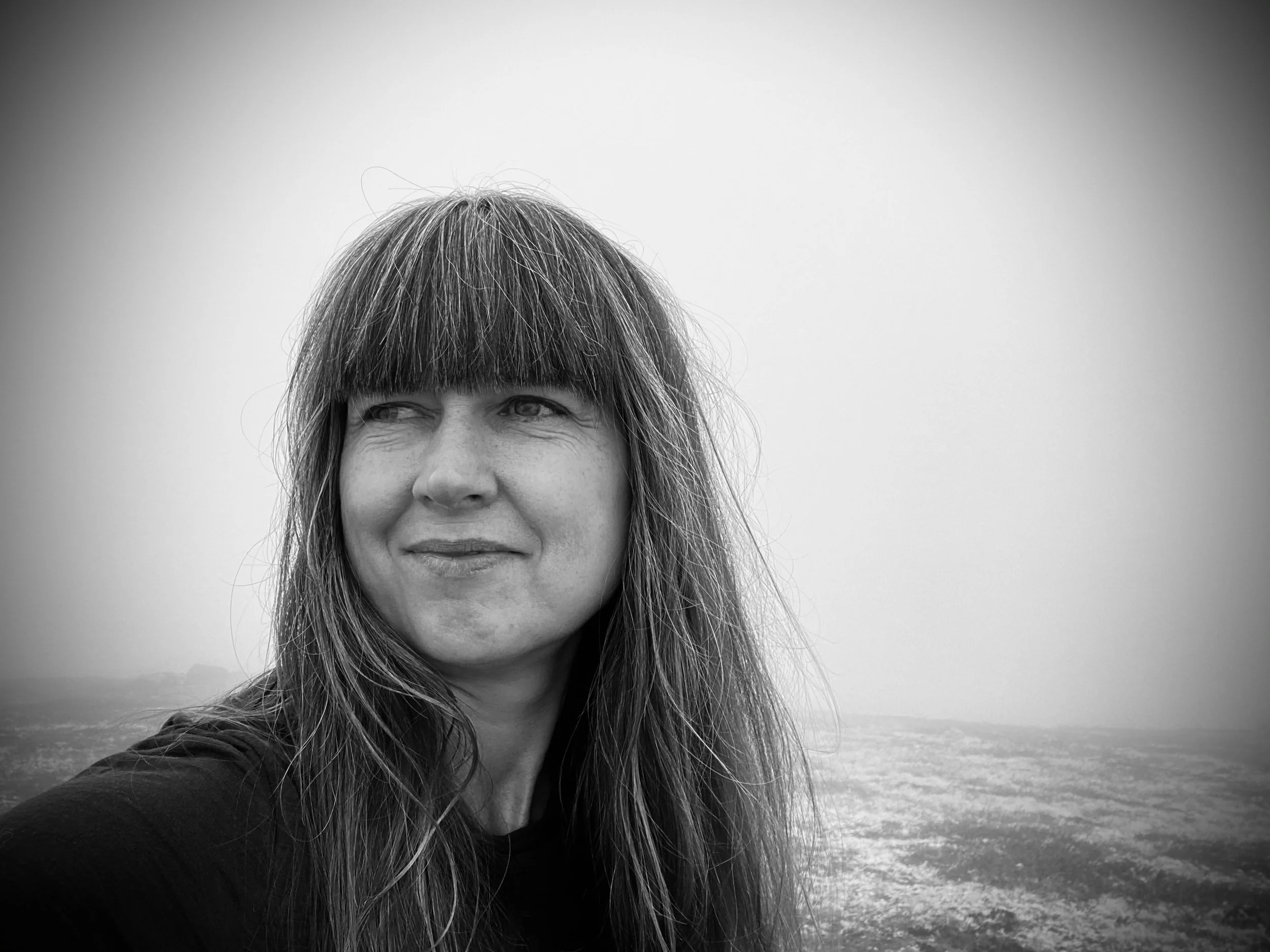
Marianne Bakke
Cinematographer
-
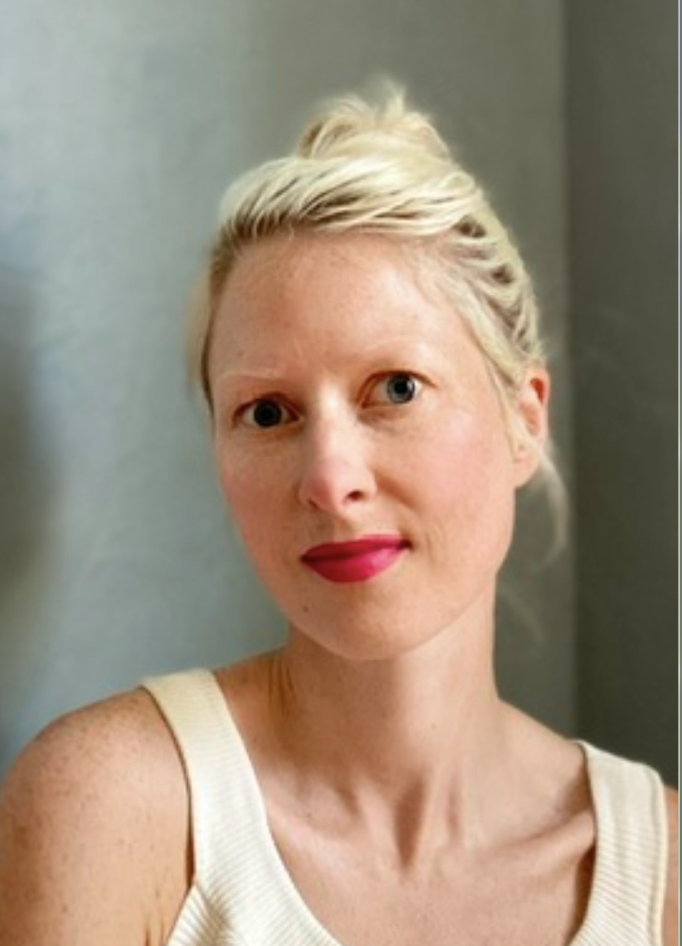
Sunniva Rostad
Production Designer
-
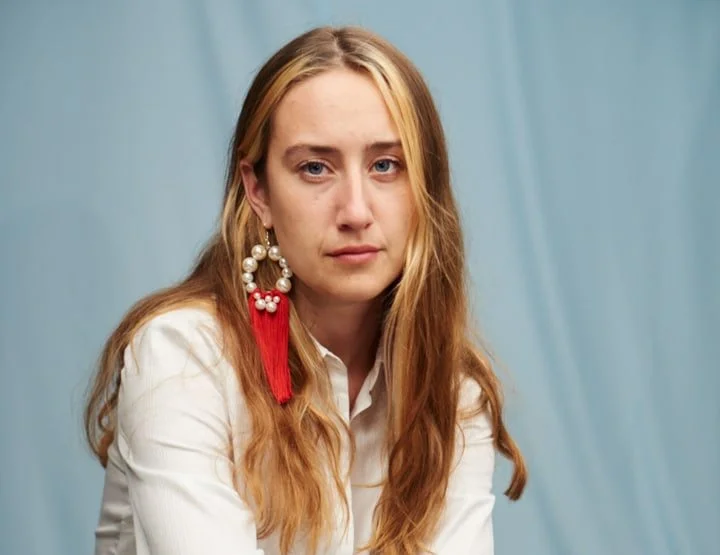
Alva Brosten
Costume Designer
-
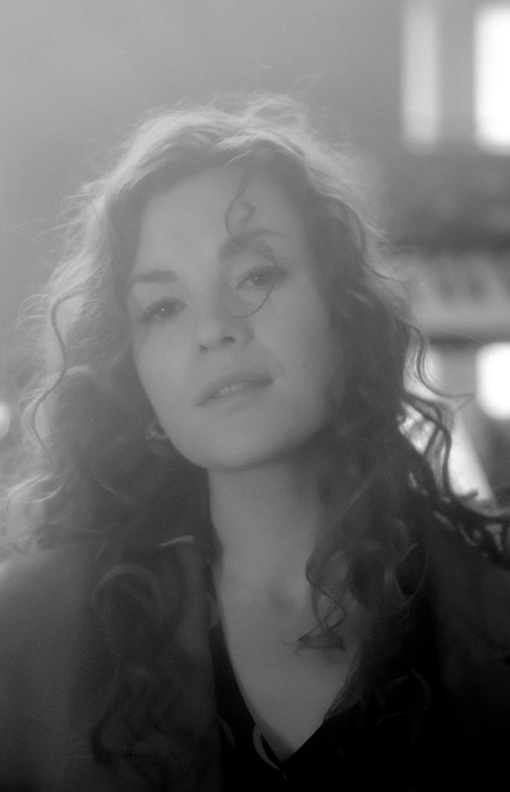
Andrea Louise Horstad
Composer
Cinematography
Marianne has won the Amanda Award for Best Cinematography for Turn Me On, Dammit!, Ninjababy, and Endings, Beginnings. She has a unique ability to tell stories through cinematography.
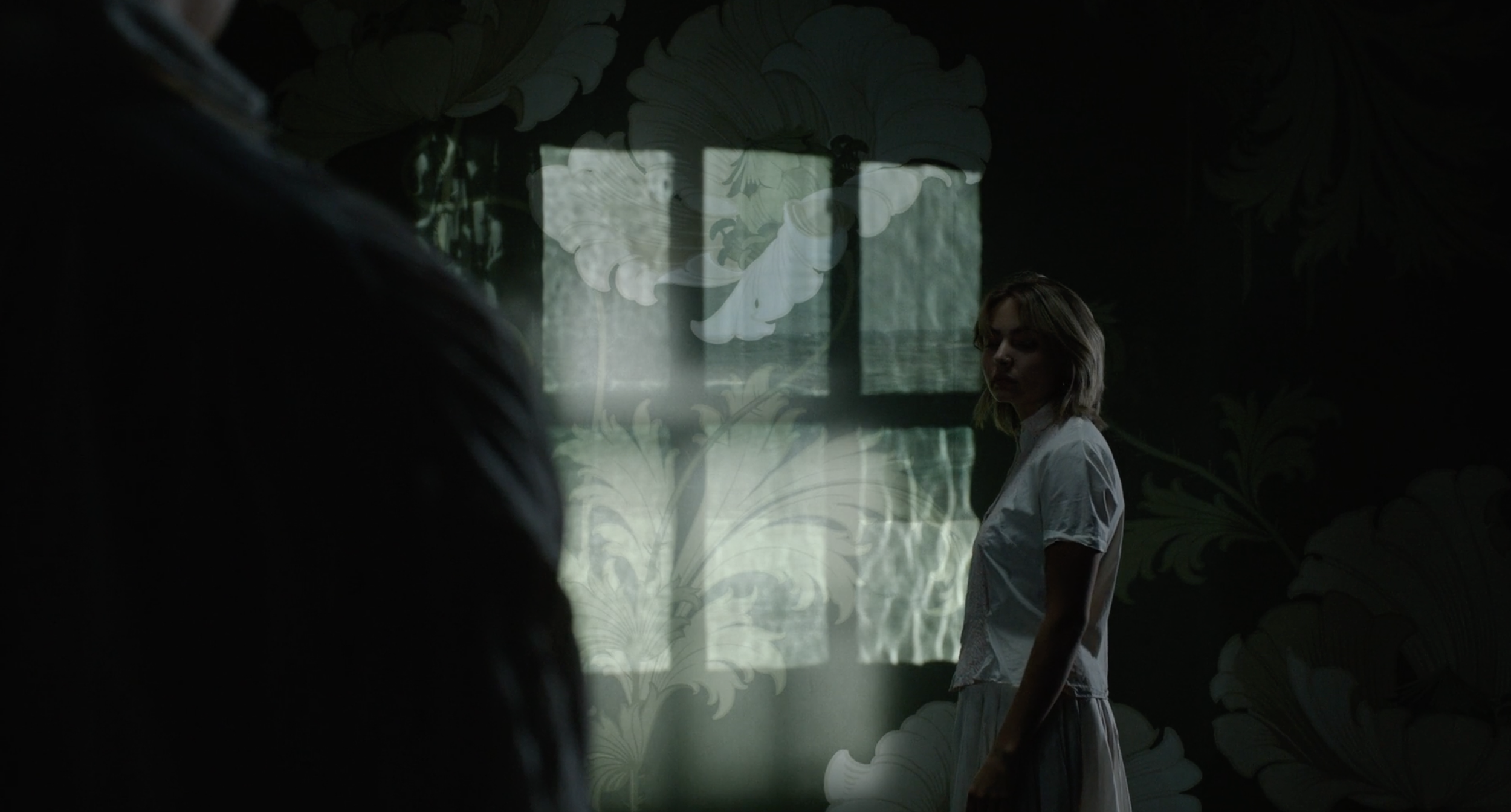
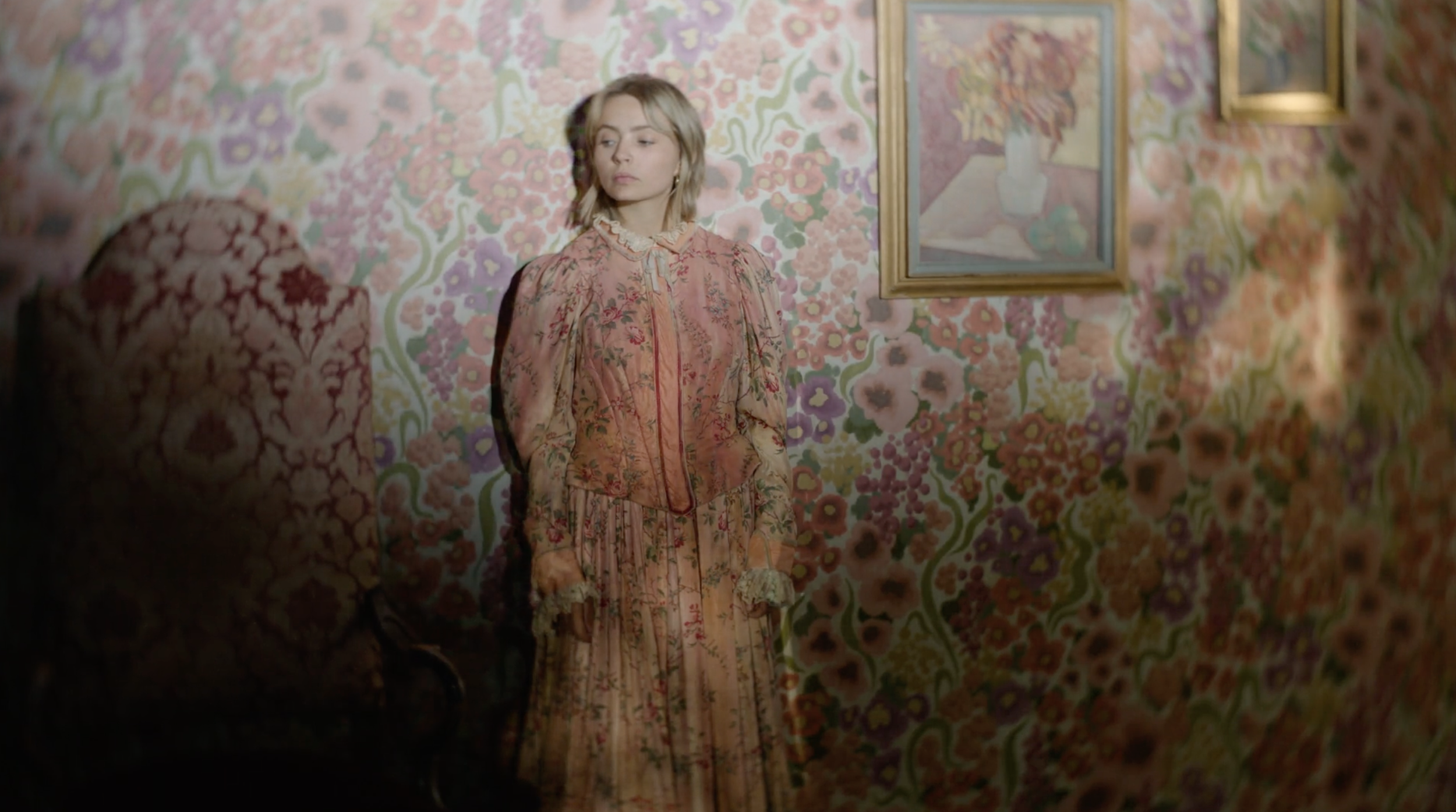
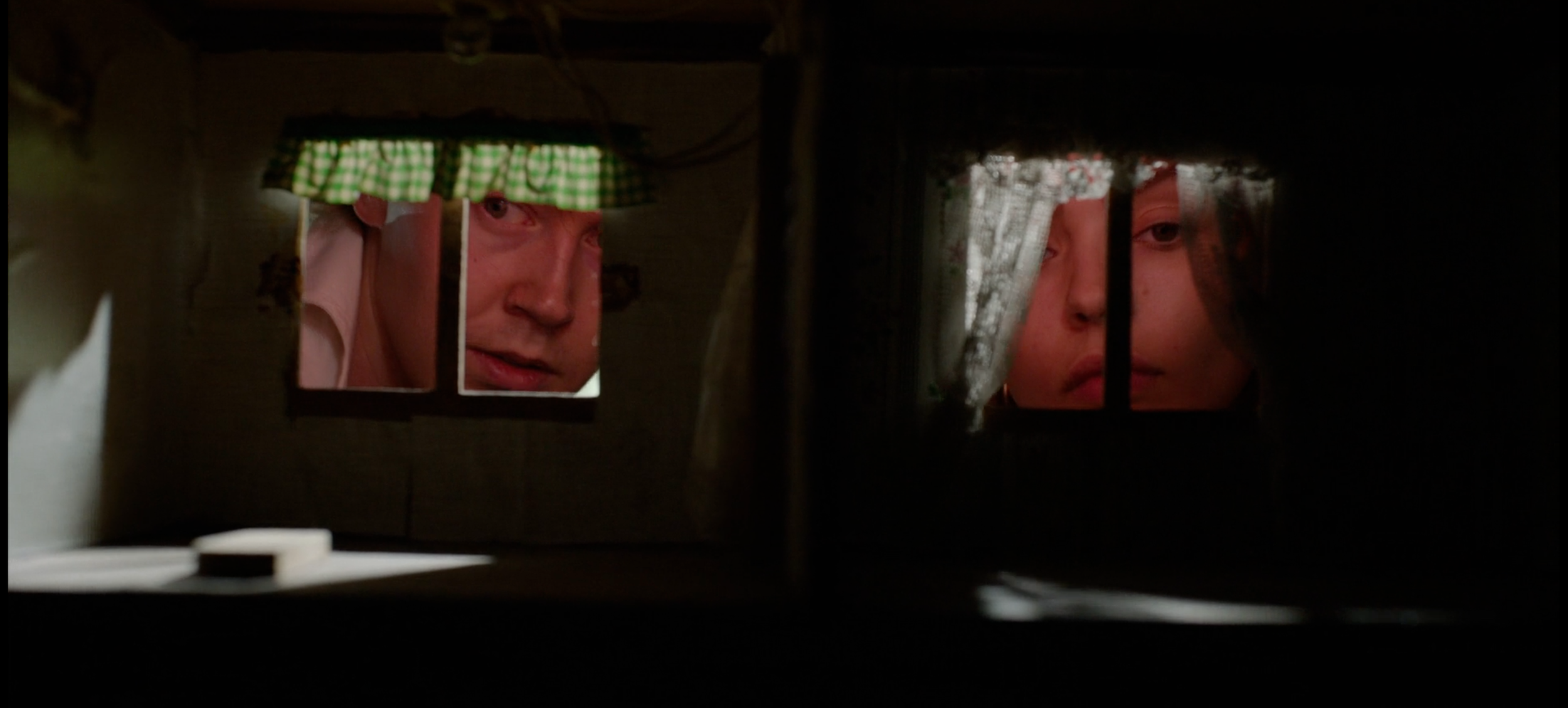
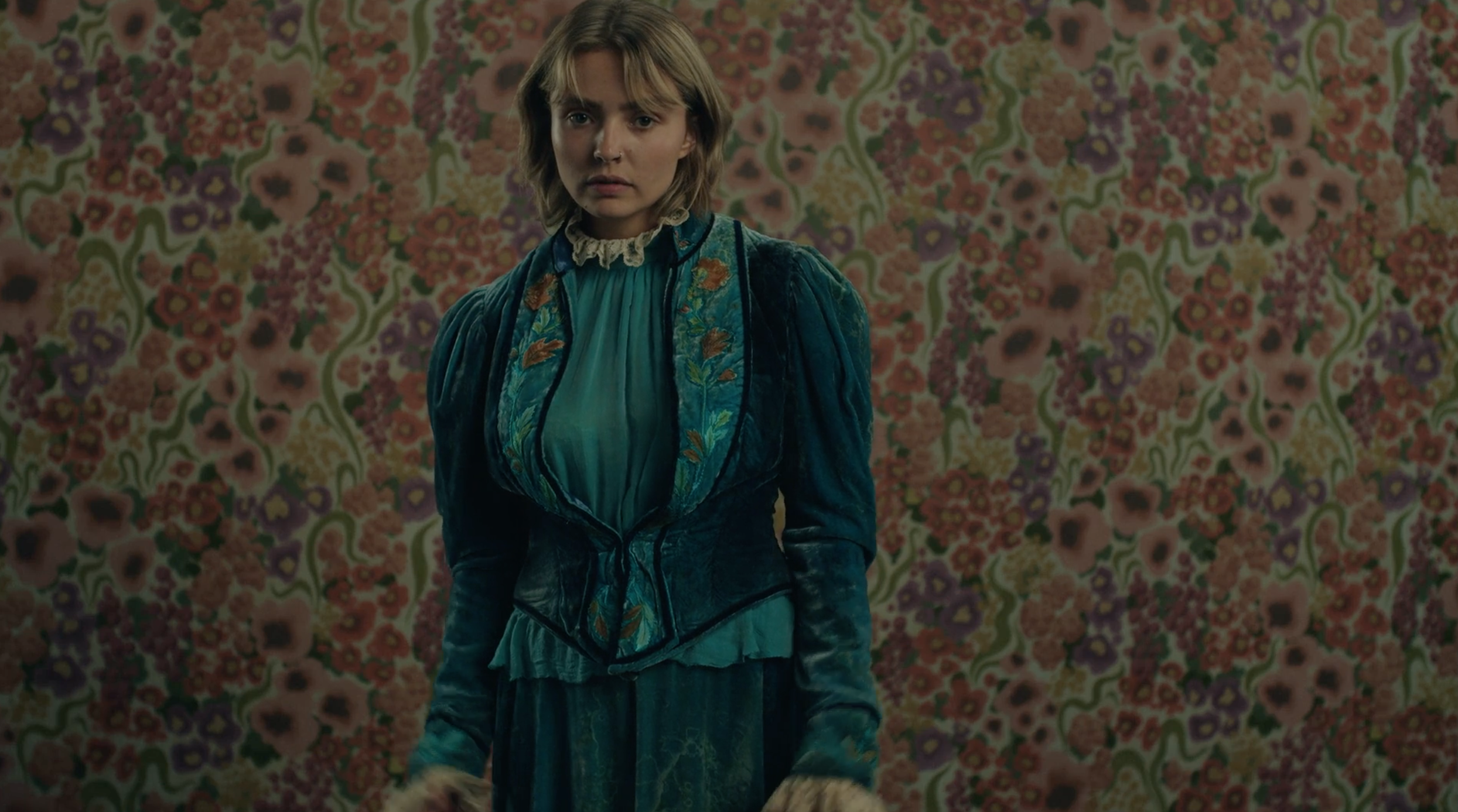
There is something beautiful that happens when several creative departments sit down together in the same room. In collaboration with the production designer, costume designer, composer, and director, we have begun exploring a visual concept together. We want the story to have something timeless about it while remaining faithful to the period in which it takes place. We envision a calm, yet playful handheld camera with an intimate connection to the characters.
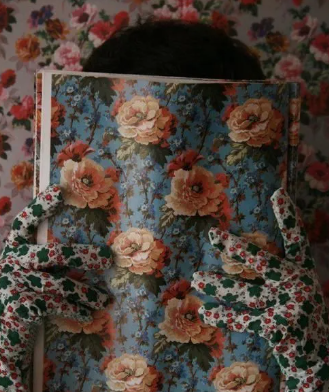
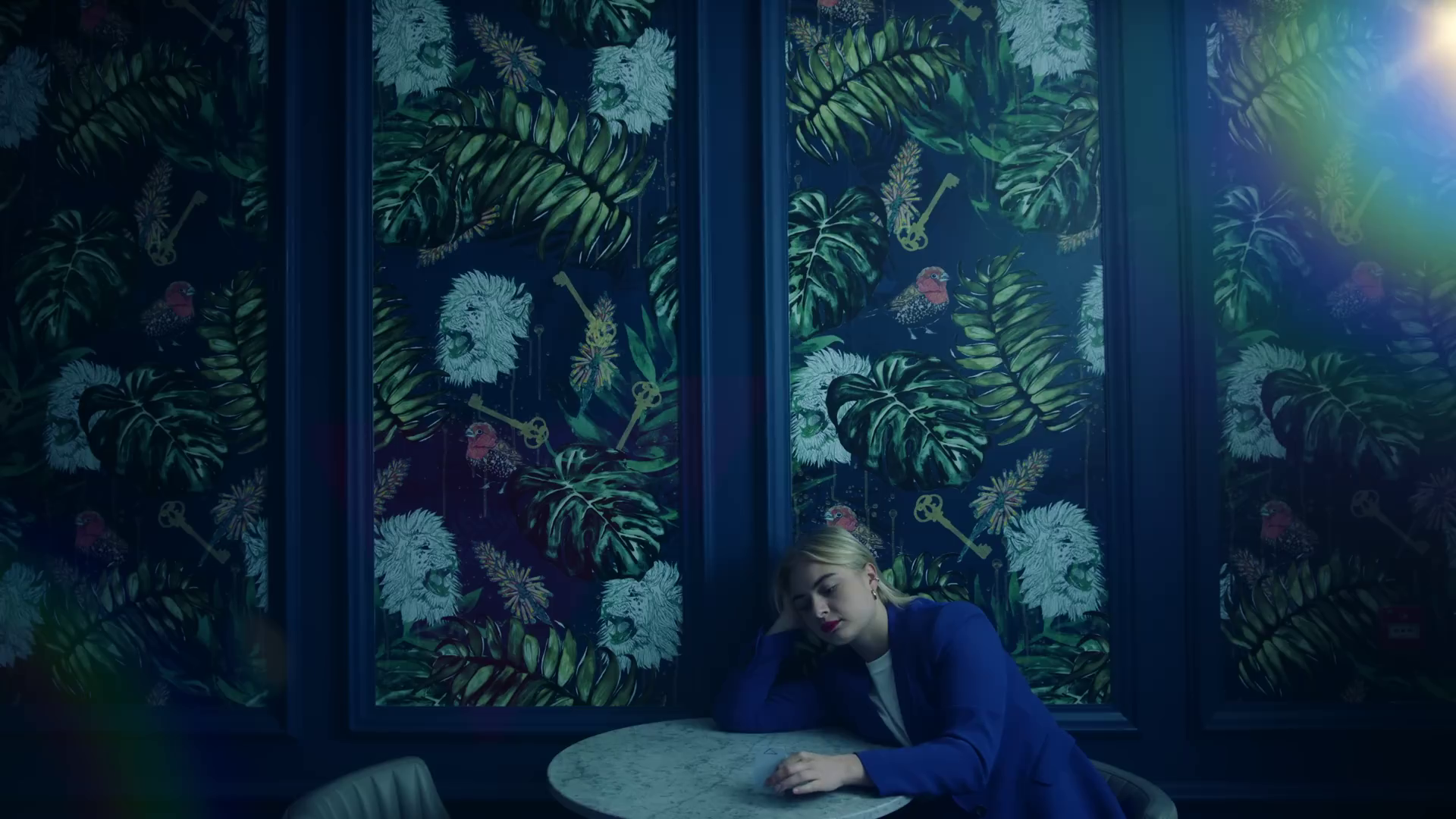
We have explored how Ibsen and Susanna’s thought processes can be told visually. We do this practically, in camera, supported by VFX where necessary. In our first studio test, we experimented with projection onto wallpaper. From the test, we discovered that the characters from A Doll’s House work best when they are present as abstract figures on the wall. We imagine these figures appearing within the wall, just as they appear in Ibsen’s mind. At first abstract, then increasingly distinct as Nora herself becomes clearer.
We have tested motion blur and optical distortion using a diopter in front of the camera to create abstraction, as well as optical illusions. Eventually, we imagine Nora stepping out of the wall as a real person. In our continued exploration, we will test techniques including forced perspective.
We already have a close collaboration across departments, crossing into one another’s areas of expertise. I experience Anna as having a strong vision while at the same time allowing us to play with the script and the characters. This makes us a strong team willing to push boundaries.
-Marianne Bakke, Cinematographer
Production design
Sunniva is known for series such as Power Play, Lilyhammer, and Witch Hunt. She creates worlds that stand out and stay with you.
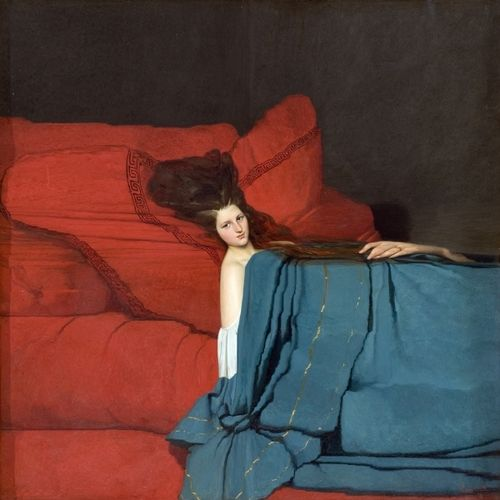
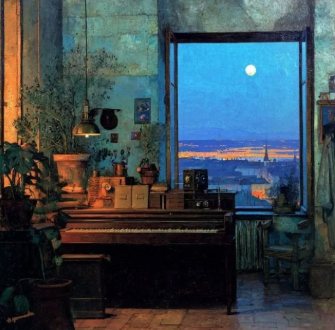
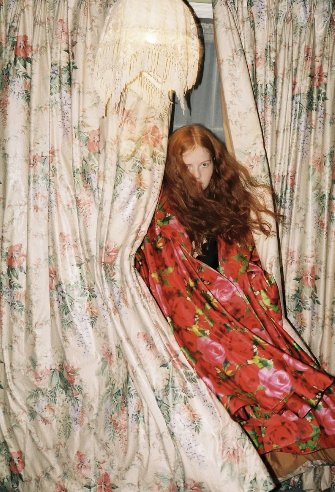
The director’s timeless approach to the project, grounded in its universal and highly contemporary themes, opens the door to an expression that feels fresh, playful, raw, and dramatic, liberated from the period drama’s typical use of dusty colors and the imitation of historical styles.
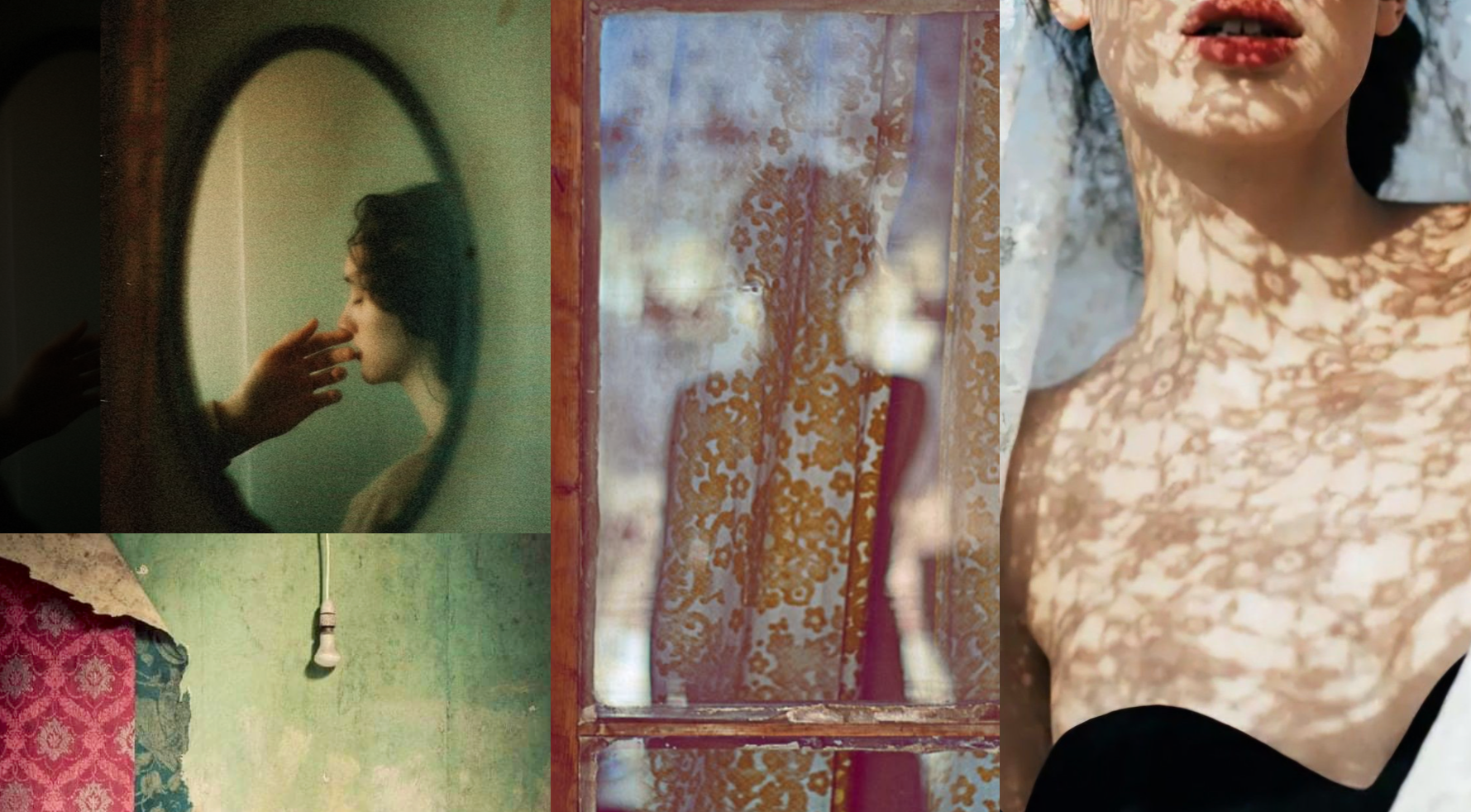
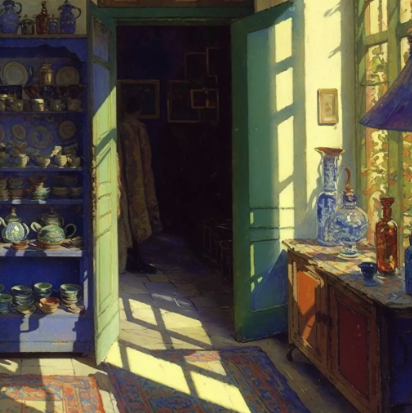
We want to create a universe that feels timeless and universal, with a sensual and unexpected use of color, and strong contrasts between dirty, textured urban environments (Munich, Rome) and the simpler, more ascetic Amalfi. An organic and cinematic whole that draws the viewer into a seductive drama between strong personalities, moving through vibrant worlds across the imaginary and the real.
I envision a production design that reflects the protagonists’ playfulness, eagerness, energy, and impulsiveness, heightened through the use of colors, patterns, textures, light, and shadow. The organic forces of sea, wind, light, and nature take over the spaces, contrasting with the more concrete and clearly defined rooms the characters inhabit.
The transition between the imaginary universe inside Henrik’s mind and the fictional characters’ presence in the room where the story takes shape opens up a rich and evocative visual language, drawing on elements of stagecraft and cinematic language — using the sensual and abstract as expressive tools.
—Sunniva Rostad
Costume design
Alva won the 2026 Amanda Award for Best Costume Design. In theatre, she has developed costume designs for institutions including the National Theatre, Det Norske Teatret, and the Norwegian National Opera & Ballet. Her productions include Hedda Gabler, Anna Karenina, Jane Eyre, and Haugtussa.
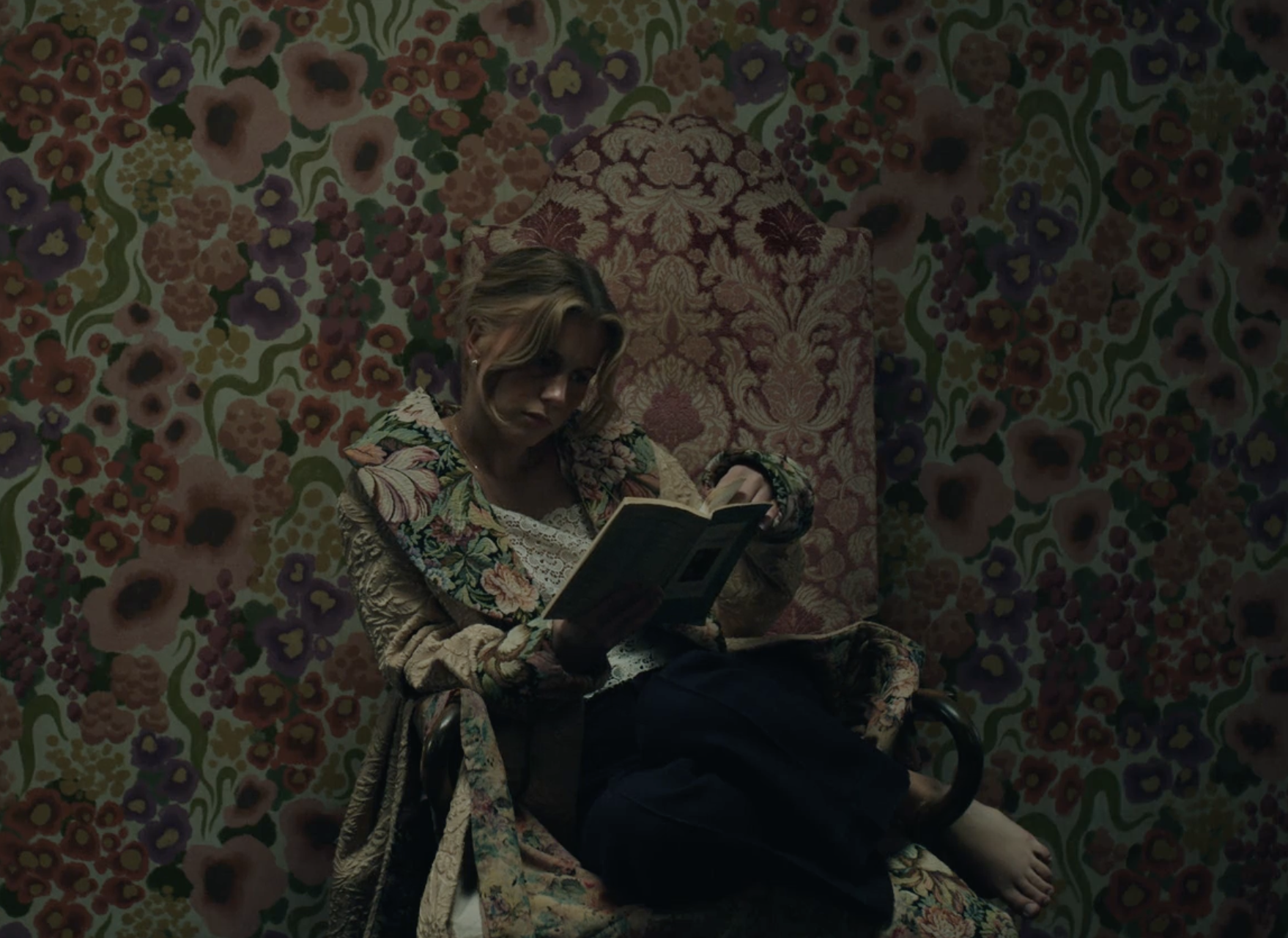
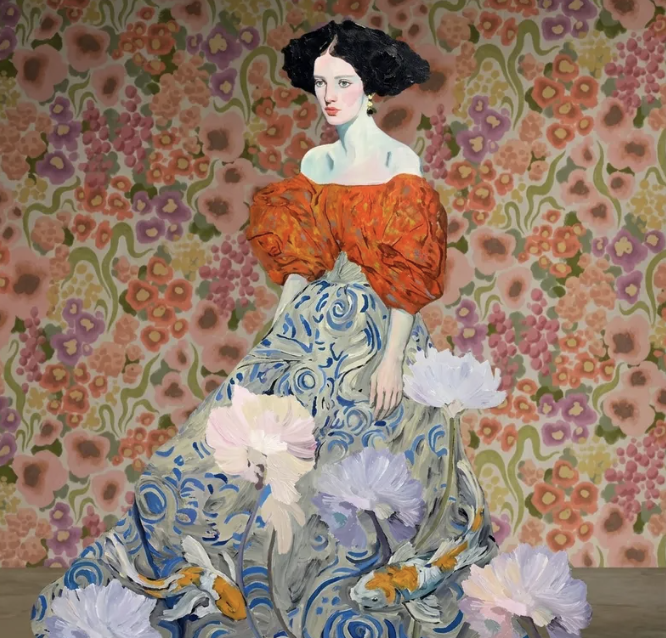
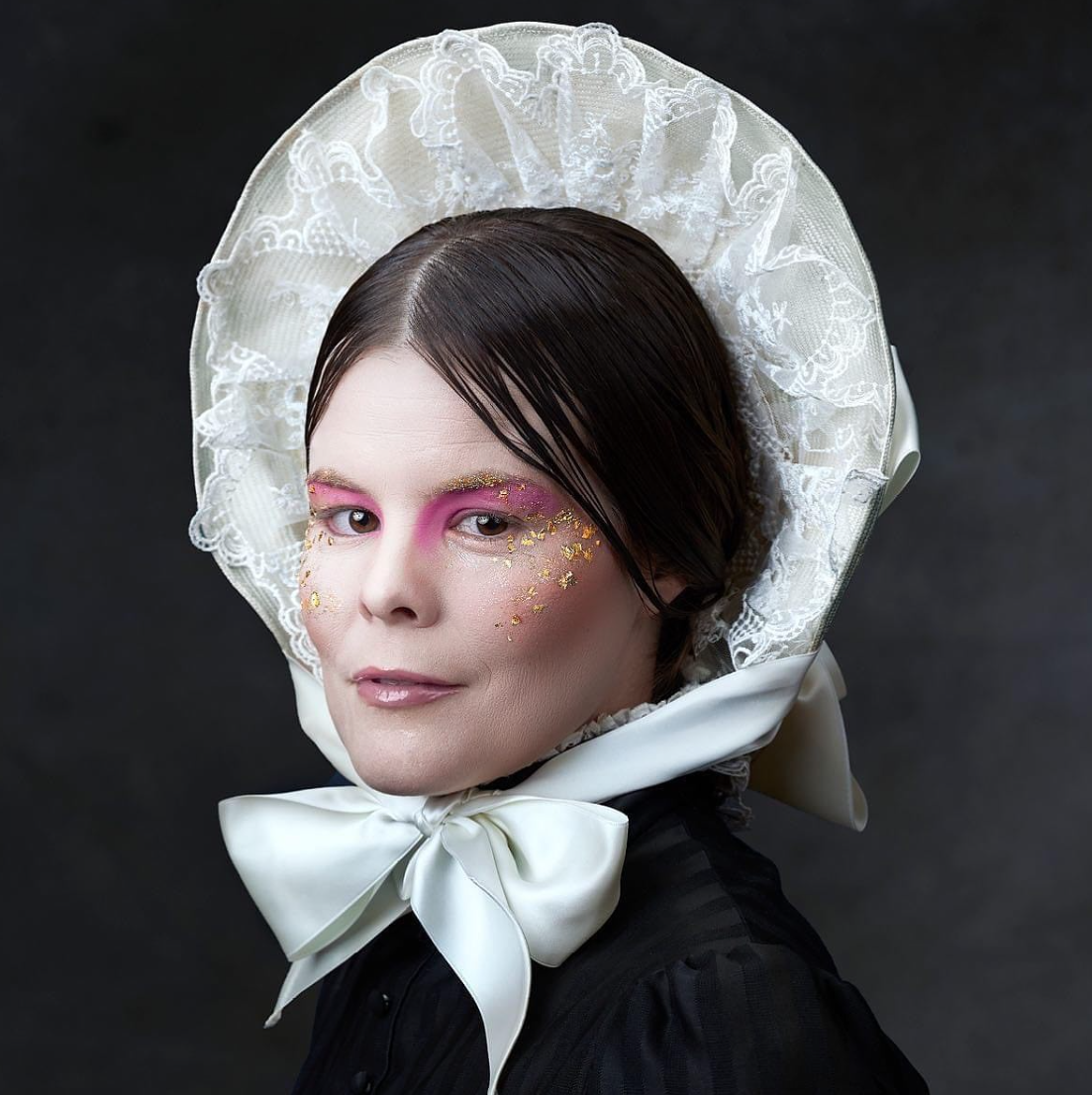
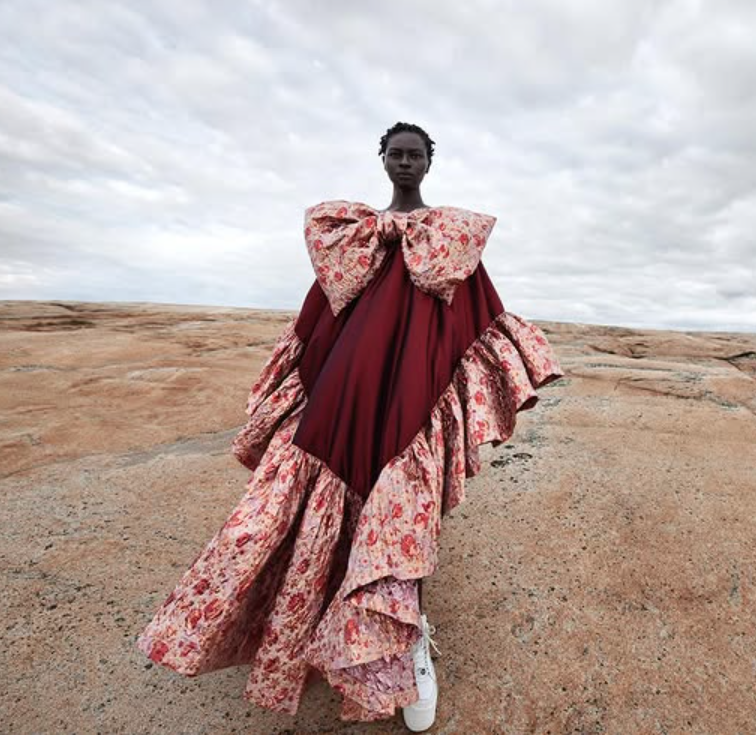
For this project, I want to work with a different color palette from what one might expect in a film set in this period. That in itself is inspiring. Ibsen and Susanna were ahead of their time, and I want to use that as a premise for the design. They can stand out, blend into the crowd, or break dress codes or trends.
-Alva Brosten, Costume designer
Composer
Andrea is one of the new voices in Norwegian film. She was part of the composing team for the NRK series Power Play (Best Music at Canneseries and the HARPA Award), and is now the composer for Suser Avgårde, a musical film inspired by the universe of deLillos.
In the music for Ibsen’s Dollhouse, 19th-century instruments meet a modern synth universe. Chaotic ensembles, electronics, beautiful harmonies, and screaming strings crash into one another.
The music is allowed to be epic and beautiful, but rarely for long before unease and insecurity begin to intrude. Historical sounds appear both recognizable and distorted, as raw material for a new musical reality.
Female voices represent what is intimate and human, like echoes and memories from Ibsen’s inner imaginative world, while at the same time pointing toward the emancipation of women in A Doll’s House. The music approaches Ibsen and the 19th century with an irreverent playfulness that brings us closer to the characters and makes them relatable for us today.
—Andrea Louise Horstad, composer
Listen to the music scetches
The characthers
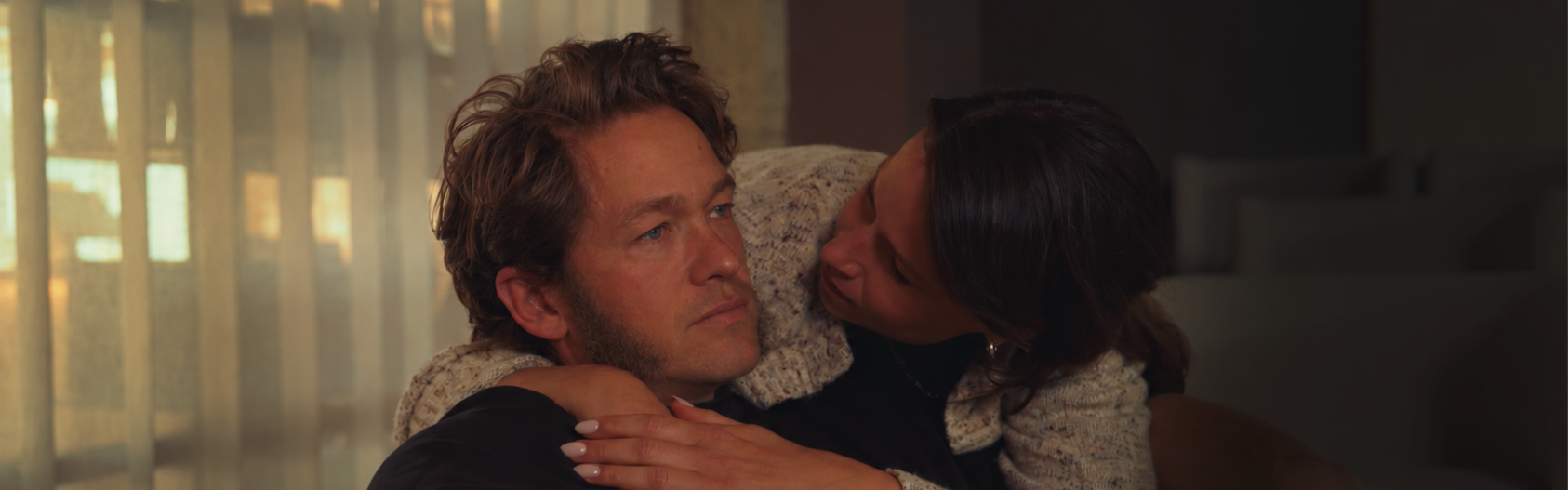
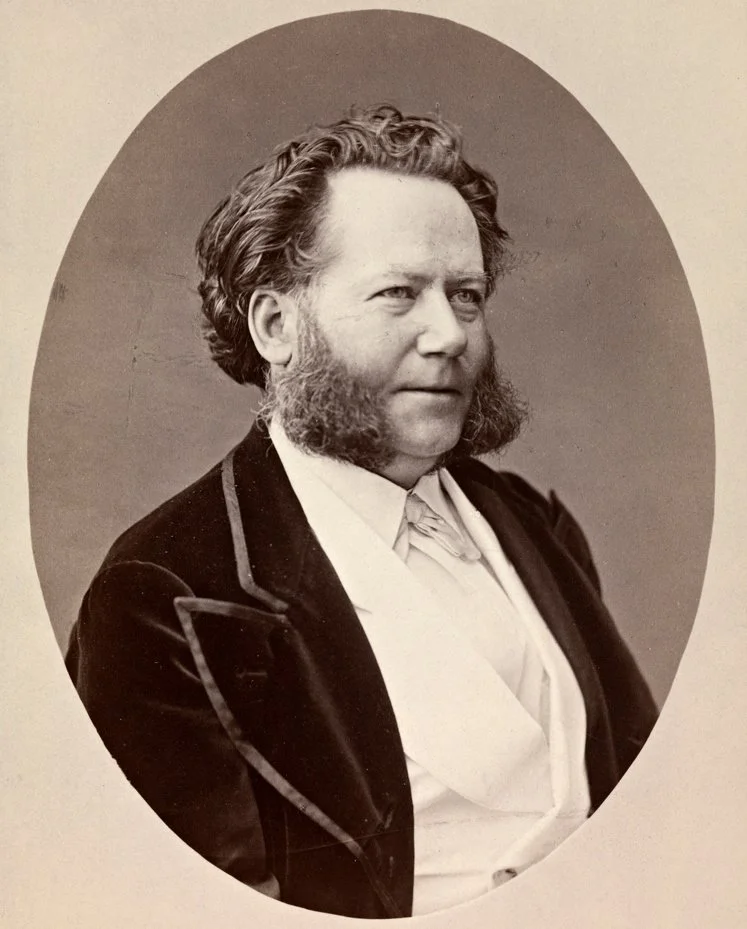
Henrik is a man who desperately wants to destroy the patriarchy and society’s oppressive norms — until he realizes that doing so may also mean losing his own privileges. This gives us a character with strong convictions and profound weaknesses — a strong, sensitive character with a lot to lose.
Susanna is a woman who never gives up. Temperamental and strong, and deeply sensitive. She is intellectually driven, and reads everything she can get her hands on. For her, life with Henrik is the best marriage she could have had. She gives everything to Henrik’s artistic work, but she also knows how valuable she is to him, and she demands influence.
With two strong characters such as these, it’s a good thing they have a great sense of humor...

The historical made modern
I have been awarded research status and an office at the National Library of Norway. The access this gives me to Ibsen’s original notes and letters, together with my collaboration with my historical consultant Astrid Sæther (Professor Emerita), gives me a deep and dynamic relationship with the project’s historical material.
I am also in close contact with Henrik and Susanna’s great-great-grandchild, Nora Ibsen. She, too, is enthusiastic about the project’s warm and energetic approach. It creates humor and an intimacy with what happened 150 years ago, on a level that feels like it is about us today.
Contemporary relevance and themes
A Doll's House became a landmark in the struggle for women's emancipation and for a truly democratic society in which every citizen possesses equal rights.
Today, democracy is under pressure across the world, and women's rights are being rolled back. In many countries, women have less control over their own lives now than they did just a decade ago—sometimes even fewer rights than women had in Norway during Ibsen's lifetime. Even across the Western world, women's rights are increasingly under threat. And when women's rights are weakened, democracy itself is weakened.
This gives the film particular relevance today. A Doll’s House is not only about women — it is about freedom for everyone.